4.5/5
4.5/5





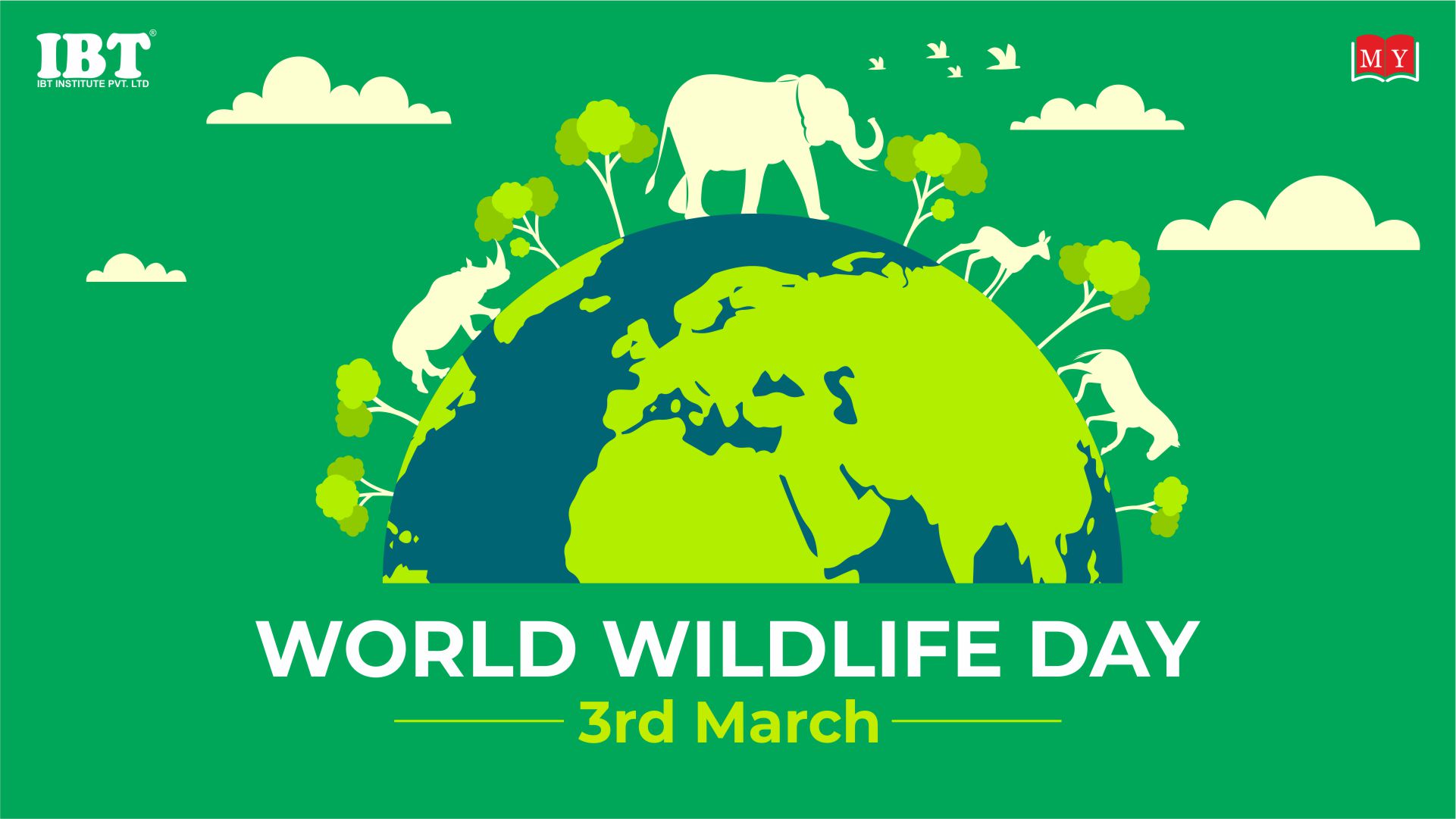
World Wildlife Day: 03rd March
World Wildlife Day: 03rd March
Today, March 3, 2026, the world celebrates World Wildlife Day (WWD). While often associated with charismatic animals like tigers and elephants, this year’s focus shifts to the silent but vital foundation of our ecosystems: Plants.
2026 Theme: "Medicinal and Aromatic Plants"
The official theme for 2026 is "Medicinal and Aromatic Plants: Conserving Health, Heritage and Livelihoods." This year, the United Nations and CITES are highlighting that wildlife isn't just about "fauna" (animals); it’s equally about "flora" (plants). These species are the backbone of global healthcare and local economies.
Why It Matters:
-
The Global Healer: Between 70% and 95% of people in developing countries rely on traditional plant-based medicine for their primary healthcare.
-
Invisible Ingredients: Thousands of modern pharmaceuticals, from aspirin to cancer treatments, are derived from wild plants.
-
Livelihoods: One in five people globally depends on wild plants, algae, and fungi for their food and income.
-
Species at Risk: Over 20% of medicinal and aromatic plant species are currently threatened with extinction due to overharvesting, habitat loss, and climate change.
The History of March 3rd
World Wildlife Day isn't just a random date. It commemorates a landmark moment in conservation history:
-
The Origin (1973): On March 3, 1973, the Convention on International Trade in Endangered Species of Wild Fauna and Flora (CITES) was signed. This treaty ensures that international trade in wild animals and plants does not threaten their survival.
-
The Proclamation (2013): On the 40th anniversary of CITES, the UN General Assembly officially proclaimed March 3rd as World Wildlife Day to celebrate the world's wild animals and plants and raise awareness of their conservation.
Global Threats to Wildlife in 2026
While we celebrate our successes, the challenges remain steep:
-
Extinction Crisis: Scientists warn that up to 1 million species are at risk of extinction in the coming decades.
-
Biodiversity Loss: We have seen an average decline of over 70% in the populations of birds, mammals, fish, and reptiles since 1970.
-
Climate Change: Rising temperatures are disrupting breeding cycles and destroying habitats faster than many species can adapt.
1 like |
0 comment