4.5/5
4.5/5





World Tuna Day: May 2
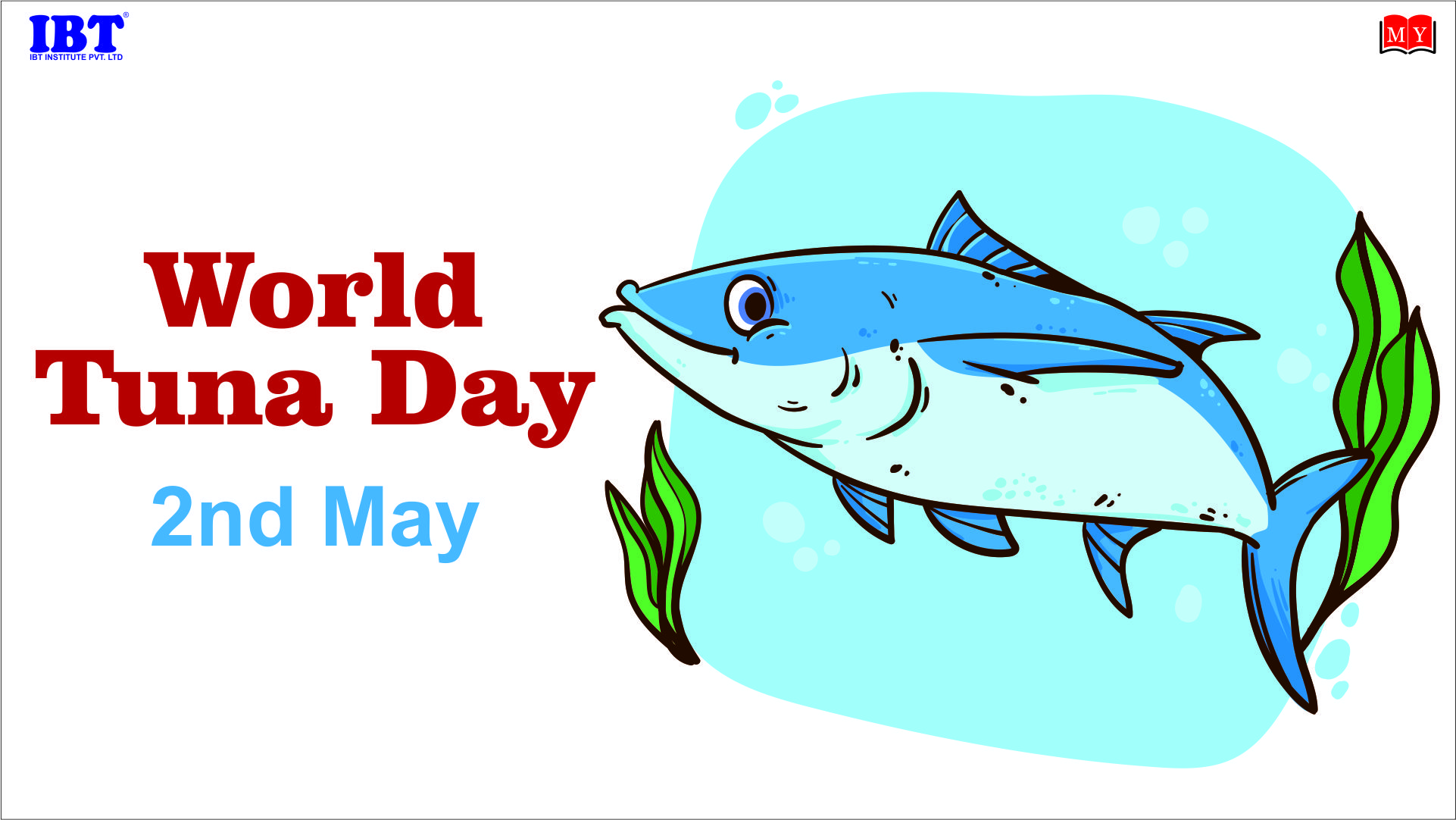
World Tuna Day: May 2
World Tuna Day is observed annually on May 2. Established by the United Nations in 2016 and first celebrated in 2017, this day serves as a critical reminder of the importance of tuna for food security, economic growth, and marine health.
World Tuna Day 2026: "Tuna Done Right"
The theme for 2026, popularized by organizations like the Marine Stewardship Council (MSC), is "Tuna Done Right." This focus emphasizes the shift from simply "catching fish" to ensuring every step of the process—from the ocean to the plate—is sustainable, ethical, and science-based.
1. Significance & History
Tuna is a remarkable species, but its high demand has historically led to overfishing.
-
Economic Impact: The global tuna industry is valued at approximately $10 billion annually. Millions of people, particularly in small island developing states (SIDS), rely on tuna for their livelihoods and as a primary source of protein.
-
The UN Mandate: In December 2016, the UN General Assembly officially designated May 2 as World Tuna Day to highlight the importance of sustainable management.
-
Ecosystem Role: As apex predators, tuna maintain the balance of the marine ecosystem. Their decline would cause a "top-down" collapse of the food chain.
2. Key Facts About Tuna
-
Variety: There are over a dozen species of tuna. The most commercially important are Skipjack, Yellowfin, Bigeye, Albacore, and Bluefin.
-
Speed & Physiology: Tuna are "ocean Ferraris." The Atlantic Bluefin can reach speeds of over 40 mph and dive to depths of 3,000 feet. They are also unique among fish for being warm-blooded, allowing them to thrive in varied water temperatures.
-
Size: They range from the small Blackfin (about 3 feet) to the massive Atlantic Bluefin, which can grow up to 15 feet and weigh over 1,500 pounds.
3. Progress in Sustainability
The good news is that international cooperation is working.
-
Healthy Stocks: As of 2026, roughly 99% of commercial tuna catches now come from healthy stocks that are not being overfished—a massive improvement from 2017 when only 75% met this criteria.
-
Management Tools: Regional Fisheries Management Organizations (RFMOs) now use "Harvest Strategies," which are pre-agreed rules that automatically lower fishing limits if a population starts to drop, avoiding long political delays.
-
Bycatch Reduction: New technologies, such as "acoustic discrimination" (using sound to identify fish species before casting nets), are helping fishers avoid catching turtles, sharks, and dolphins.
4. Nutrition: A "Superfood"
Tuna is highly regarded in nutrition for several reasons:
-
Omega-3 Fatty Acids: Contains EPA and DHA, which reduce inflammation and promote heart and brain health.
-
High Protein: Provides about 5 grams of protein per ounce.
-
Essential Minerals: Rich in Vitamin B12, Vitamin D, Selenium, and Phosphorus.
5. How to Celebrate "Tuna Done Right"
-
Check the Label: Look for the MSC Blue Fish Tick or "Pole and Line Caught" labels on cans to ensure your tuna was sourced sustainably.
-
Diversify Your Palate: While Skipjack is the most common, trying different sustainably caught varieties helps reduce pressure on a single species.
-
Spread Awareness: Educate others about the difference between "FAD-free" (Fish Aggregating Devices) and traditional netting to encourage ethical purchasing.
0 like |
0 comment