4.5/5
4.5/5





World Theatre Day: 27th March
World Theatre Day 2026: The Stage as a Global Bridge
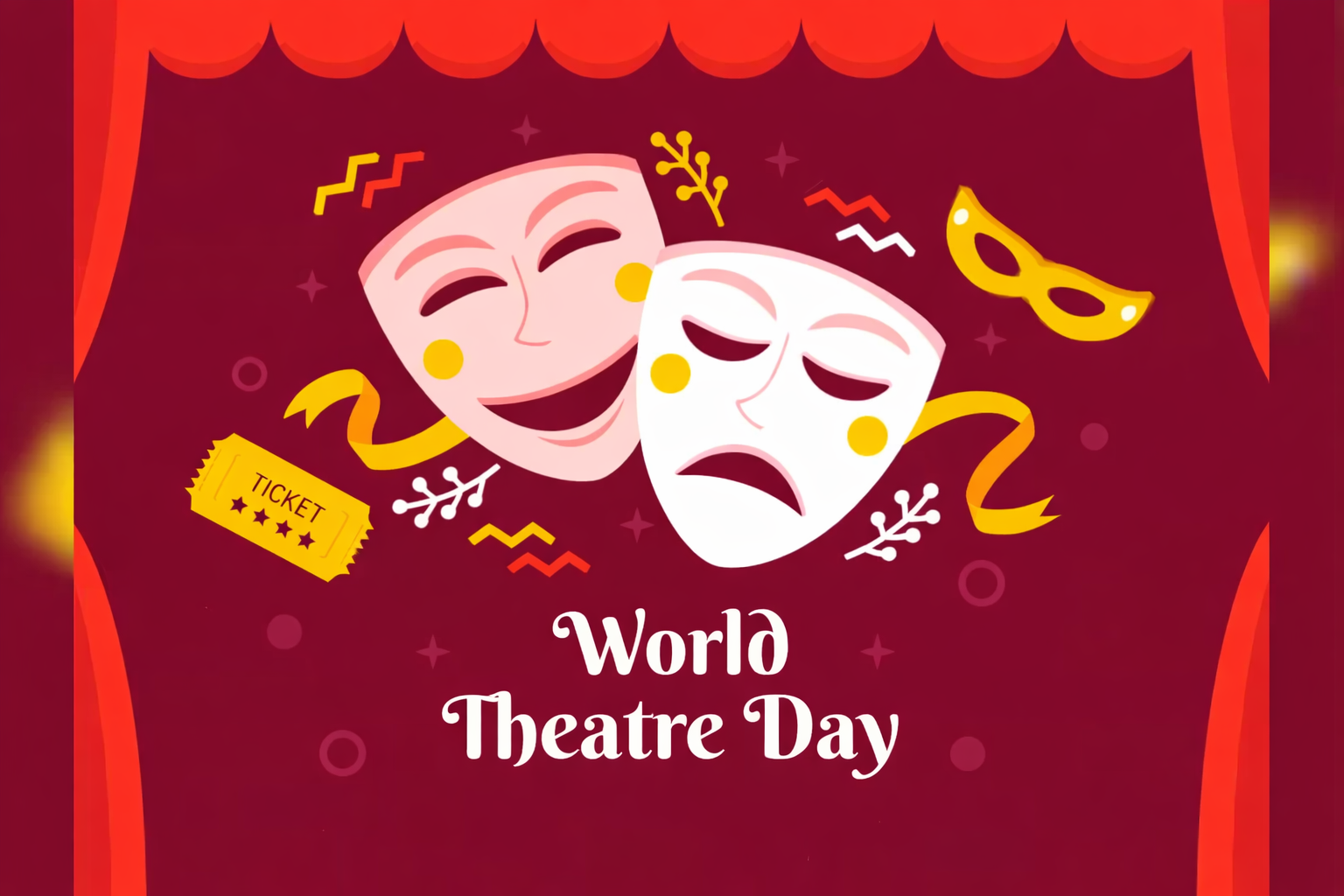
Celebrated annually on March 27th, World Theatre Day is a global tribute to the art of performance. Established in 1961 by the International Theatre Institute (ITI), this day highlights the power of theatre to foster peace, cultural exchange, and mutual understanding.
The 2026 International Message: Willem Dafoe
Each year, a world-renowned figure is invited to share their reflections on theatre and the "Culture of Peace." For 2026, the honor belongs to the acclaimed American actor and theatre maker Willem Dafoe.
In his message, Dafoe—a founding member of the avant-garde The Wooster Group—reflects on his roots in the theatre. He emphasizes that theatre is a "total art form" that acts as a gateway for encounter. Dafoe challenges the industry to resist becoming a purely commercial enterprise, urging artists to instead foster theatre’s strength to connect in an increasingly divisive world.
History & Origins
-
1961: The proposal for World Theatre Day was made by Arvi Kivimaa at the 9th World Congress of the ITI in Vienna.
-
1962: The first official celebration took place on March 27th, coinciding with the opening of the "Theatre of Nations" season in Paris.
-
The First Message: The inaugural International Message was penned by the French poet and playwright Jean Cocteau.
How the World Celebrates
The day serves as a "wake-up call" for governments and institutions to recognize the social and economic value of the performing arts. Typical observances include:
-
Message Readings: The official message is translated into over 50 languages and read to audiences before performances worldwide.
-
The Main Event: For 2026, the official ITI celebration is being held in Luxembourg City (March 25–27), featuring public encounters and artistic reflections.
-
Community Impact: Local theaters often host workshops, free performances, and "behind-the-scenes" tours to make the art form more accessible to the public.
Why Theatre Matters Today
In the digital age, theatre remains a vital "live" experience. It provides a unique space for collective healing and civic dialogue. By presenting diverse stories—especially those from marginalized voices—the stage acts as a mirror to society, challenging us to think critically and feel deeply.
1 like |
0 comment