4.5/5
4.5/5




World Refugee Day: 20th June
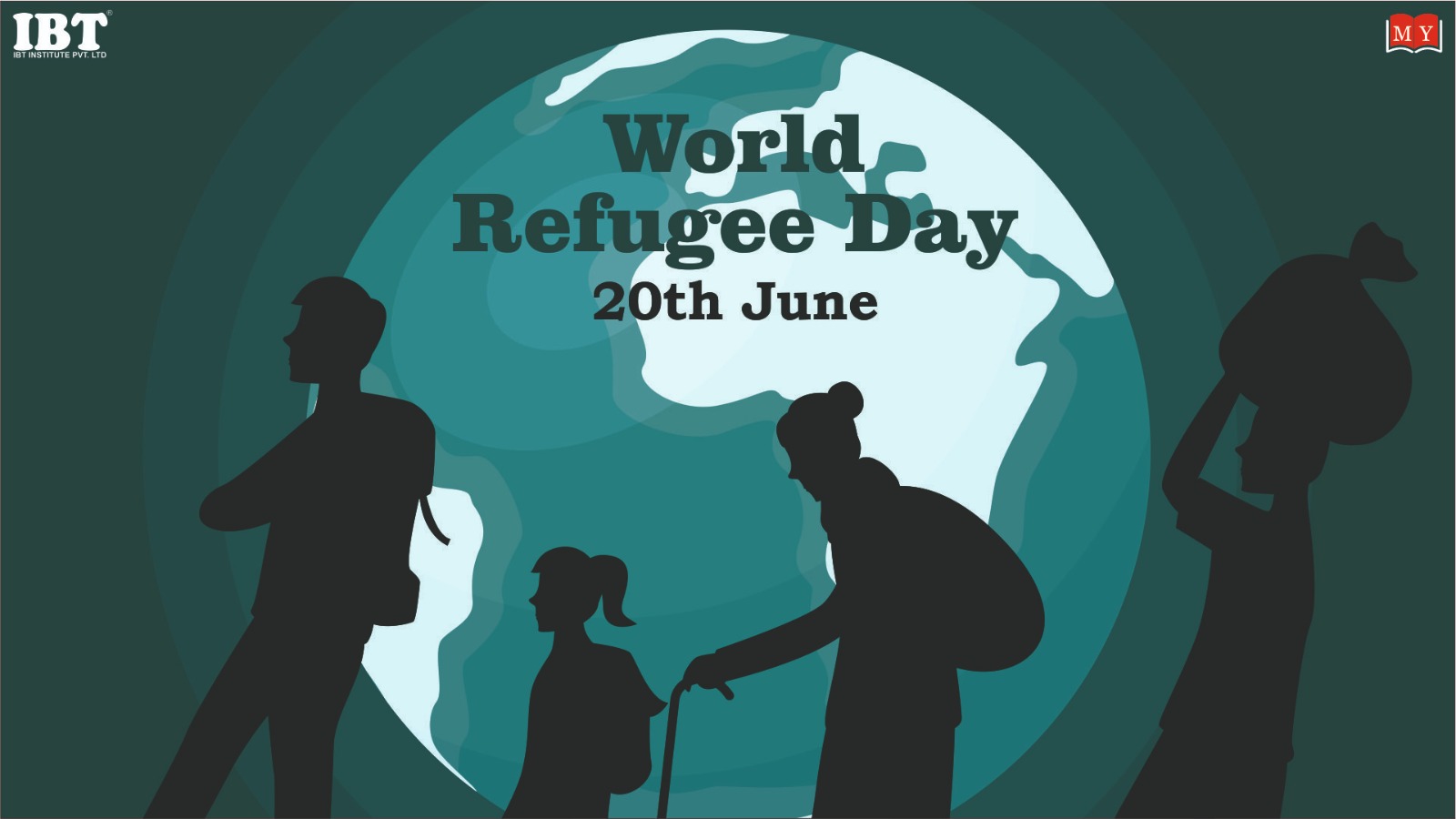
World Refugee Day: 20th June
Observed annually on June 20th, World Refugee Day is a global United Nations-designated day dedicated to honoring the strength, courage, and resilience of millions of people who have been forced to flee their homes due to conflict, persecution, violence, or human rights violations.
Historical Context and Origin
The day was established by the United Nations General Assembly in 2000 and was observed globally for the first time on June 20, 2001.
-
The 1951 Convention: The date was specifically chosen to commemorate the 50th anniversary of the 1951 Convention Relating to the Status of Refugees, the cornerstone of international refugee law.
-
A Shift in Awareness: Before 2001, many countries observed their own "Refugee Days," most notably "Africa Refugee Day." By aligning these commemorations under a single, global banner, the UN sought to create a unified platform to advocate for the rights and needs of displaced populations worldwide.
2026 Theme: "Until Everyone Is Safe"
For 2026, the UNHCR (the UN Refugee Agency) has set the theme as "Until Everyone Is Safe."
-
A Call for Collective Protection: This theme underscores the principle that safety is not divisible. No community or nation is truly secure while others are denied protection, dignity, and the opportunity to rebuild their lives.
-
The 75th Anniversary: 2026 marks the 75th anniversary of the 1951 Geneva Convention. The theme serves as a powerful reminder of the "promise of protection"—a commitment made by the international community to ensure that people forced to flee are not returned to danger.
-
Global Responsibility: It is a call to action for governments, civil society, and individuals to uphold asylum systems, ensure equitable access to essential services (health, education, and legal support), and stand against xenophobia and exclusion.
Understanding Displacement
World Refugee Day helps clarify the terminology often used when discussing global migration and displacement:
-
Refugees: Individuals who have crossed international borders to flee war, persecution, or violence and have a well-founded fear for their safety.
-
Asylum Seekers: People who have fled their homes but whose legal claim to refugee status is still being processed.
-
Internally Displaced Persons (IDPs): People forced to leave their homes but who have not crossed an international border; they remain within their own country.
-
Stateless Persons: Individuals who do not possess a recognized nationality, often excluding them from fundamental services like healthcare, education, and employment.
Why the Day Matters
-
Challenging Misconceptions: It acts as a counter-narrative to negative stereotypes, highlighting that refugees are often highly resilient, skilled, and resourceful individuals who contribute significantly to their host societies.
-
Highlighting the Crisis: With record-breaking numbers of forcibly displaced persons—estimated at over 120 million globally—the day ensures that the "human face" behind the statistics remains visible.
-
Advocacy for Human Rights: It is a day to demand that the right to seek asylum is respected and that host communities—particularly in low- and middle-income countries that host the vast majority of the world’s refugees—receive the international support and resources they need.
How the Day Is Observed
Across the globe, June 20th is marked by events that promote empathy and solidarity. These include:
-
Storytelling: Platforms where refugees share their journeys to help build understanding within host communities.
-
Cultural Exchange: Festivals, art exhibits, and performances that celebrate the diverse heritage and contributions of displaced populations.
-
Policy Advocacy: Governments and organizations use the day to reiterate commitments to international treaties and announce initiatives designed to improve the lives of those in exile.
By observing World Refugee Day, the global community renews its pledge to ensure that the basic human right to safety and dignity is not a privilege for the few, but a reality for everyone.
0 like |
0 comment