4.5/5
4.5/5





World Pulses Day: 10th February
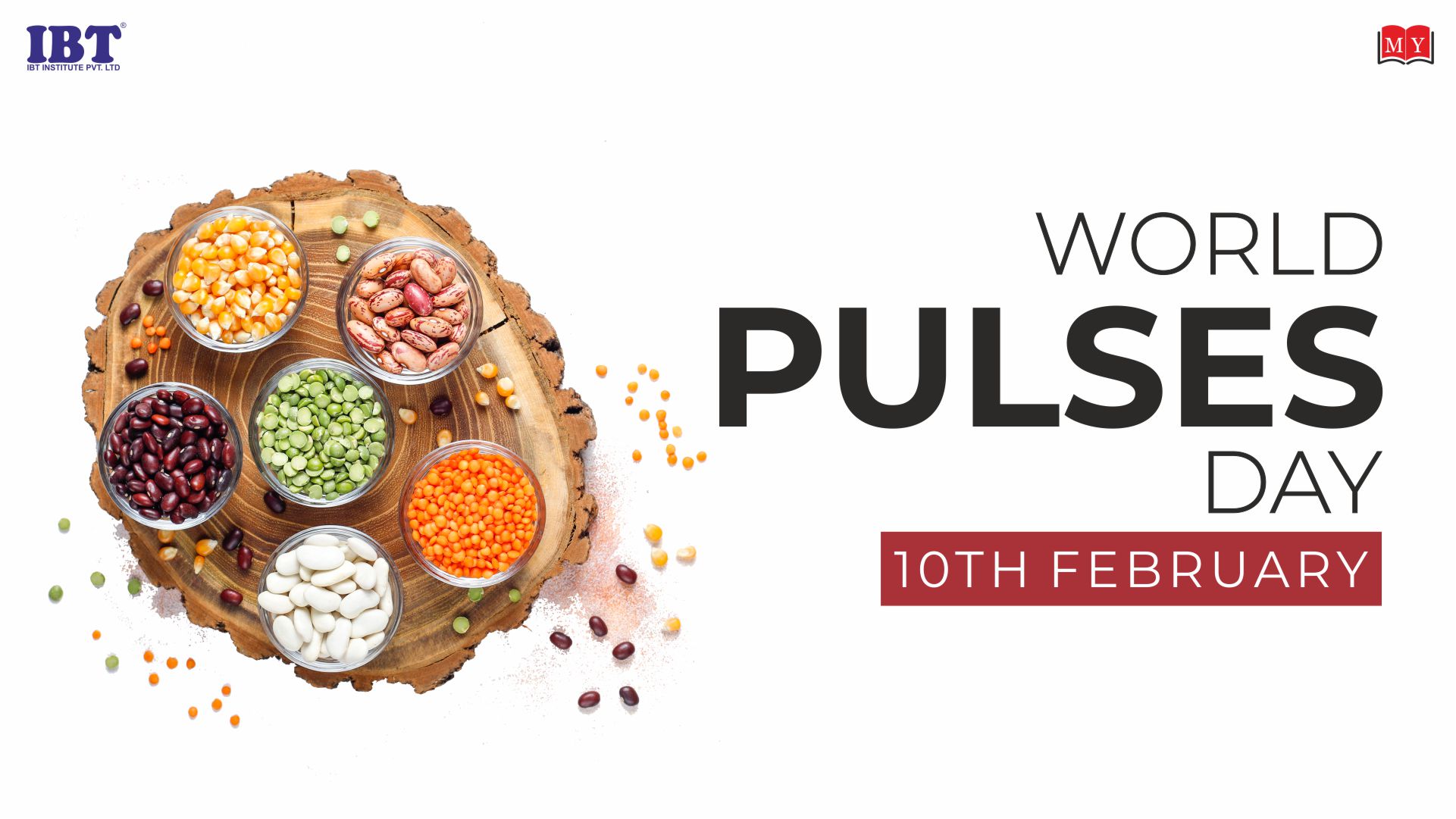
World Pulses Day: 10th February
Celebrated annually on February 10, World Pulses Day is a global event recognized by the United Nations to celebrate the nutritional and environmental importance of pulses—the edible seeds of leguminous plants like lentils, chickpeas, and beans.
For 2026, the global celebration takes on a special significance as it marks the 8th annual observance, highlighting the transition of these crops from basic staples to global superfoods.
Theme 2026: "Pulses of the World: From Modesty to Excellence"
The theme for 2026, announced by the Food and Agriculture Organization (FAO), is "Pulses of the World: From Modesty to Excellence." This theme is designed to challenge the outdated perception that pulses are merely "poor man’s meat" or a "humble" food for rural populations. Instead, it highlights:
-
The Culinary Transformation: How pulses are now at the center of high-end gourmet cuisine and innovative plant-based products.
-
Scientific Excellence: The role of pulses in solving modern global challenges, such as food security, soil degradation, and chronic health issues.
-
Global Unity: The main global event for 2026 is being hosted in collaboration with the Kingdom of Spain at the Miguel Delibes Cultural Centre in Valladolid, emphasizing international cooperation in sustainable agriculture.
Why Pulses Matter: The "Super-Seed" Profile
Pulses are unique because they provide a triple benefit: for your body, your wallet, and the planet.
1. Nutritional Excellence
-
Plant-Based Protein: Pulses contain double the protein of wheat and triple that of rice, making them vital for vegetarian and vegan diets.
-
Heart Health: They are naturally low in fat and high in soluble fiber, which helps lower cholesterol and manage blood sugar.
-
Essential Minerals: They are a major source of iron, zinc, folate, and magnesium, which are crucial for preventing anemia and supporting metabolic health.
2. Environmental Excellence
-
Nitrogen Fixation: Unlike most crops, pulses can "fix" nitrogen from the air into the soil, acting as a natural fertilizer. This reduces the need for synthetic chemicals and lowers the carbon footprint of farming.
-
Water Efficiency: Pulses are drought-tolerant and require significantly less water than animal protein sources or other major crops.
-
Climate Resilience: Their genetic diversity allows scientists to develop varieties that can withstand the extreme weather conditions caused by climate change.
Quick Facts for 2026
-
History: The day was established by the UN in 2018, building on the success of the 2016 International Year of Pulses.
-
Top Producers: India remains the world's largest producer and consumer of pulses, followed by Canada and China.
-
Shelf Life: Dried pulses can last for years without losing nutritional value, making them a key tool in reducing global food waste.
1 like |
0 comment