4.5/5
4.5/5





World No Tobacco Day: May 31
World No Tobacco Day: May 31
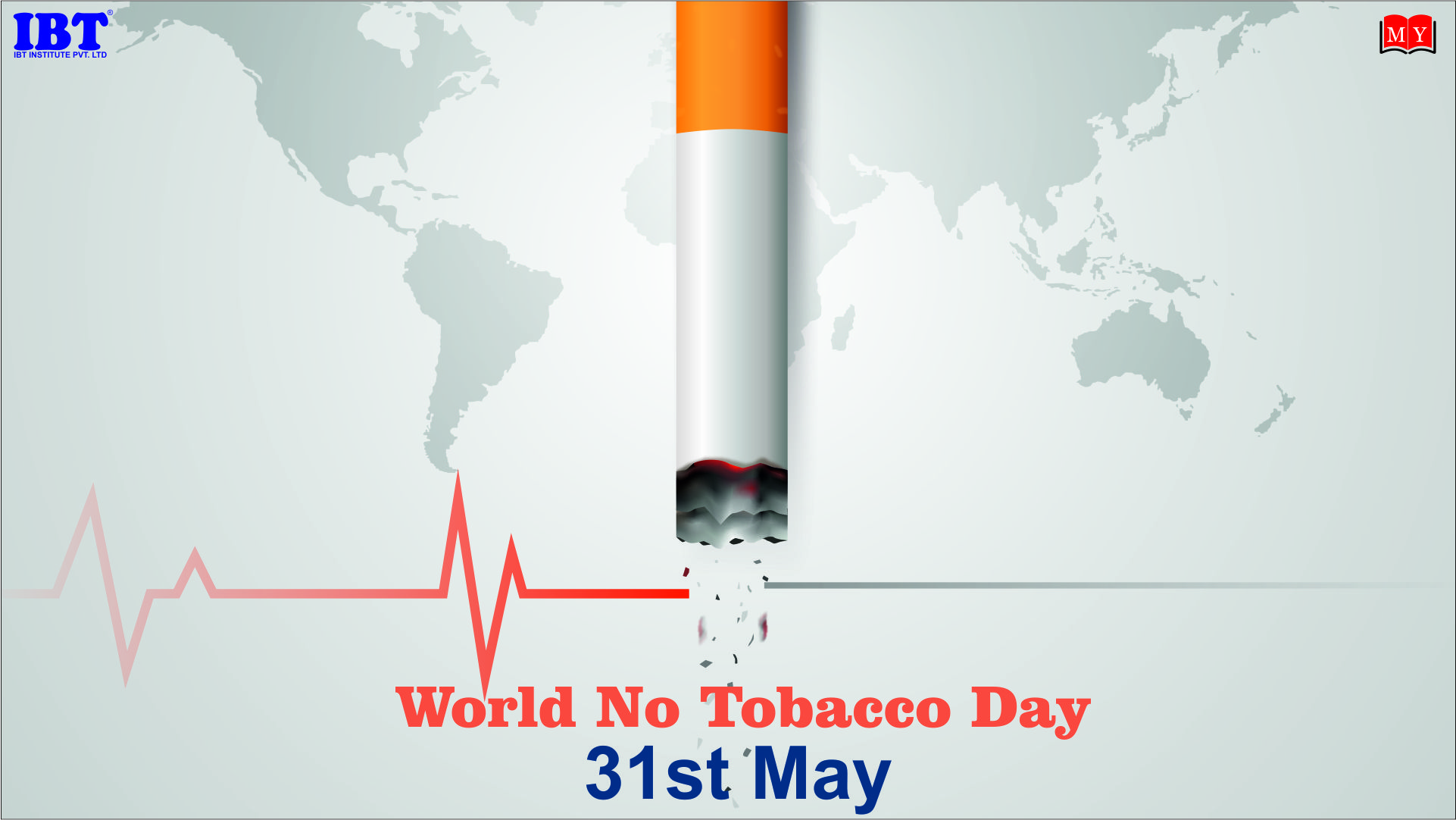
World No Tobacco Day (WNTD) is observed globally on May 31 each year. Established by the World Health Organization (WHO) Member States in 1987, this day serves as a critical annual reminder of the devastating health, social, and environmental consequences of the tobacco epidemic. It is a day dedicated to advocating for effective policies to reduce tobacco consumption and protecting current and future generations from the harms of nicotine addiction.
Why May 31?
The selection of May 31 as the official date was formalized by the World Health Assembly in 1988. This followed an initial resolution in 1987 that designated April 7, 1988, as "World No Smoking Day"—a date chosen to coincide with the WHO’s 40th anniversary. Subsequent global success led to the establishment of the permanent, annual observance on May 31.
Theme for 2026: "Unmasking the Appeal – Countering Nicotine and Tobacco Addiction"
The 2026 campaign focuses on exposing the increasingly sophisticated and deceptive tactics employed by the tobacco and nicotine industries.
Understanding the Theme
Despite decades of public health progress in reducing traditional cigarette smoking, the industry has aggressively "reinvented" itself. The "Unmasking the Appeal" theme highlights how companies are using "innovation" as a shield to hook new users, particularly children and adolescents, while simultaneously evading stricter global regulations.
Key Focus Areas of the 2026 Campaign:
-
Targeting Youth: The industry uses attractive flavors, slick packaging, and deceptive marketing—often via digital and social media—to make highly addictive and harmful products (like e-cigarettes, nicotine pouches, and synthetic nicotine devices) appear fashionable and harmless.
-
Evolving Product Strategies: By introducing synthetic nicotine and chemical analogues, companies are enhancing the addiction potential of their products while marketing them as technologically advanced or "less harmful" alternatives.
-
Policy Gaps: The campaign highlights the urgent need for governments to close regulatory loopholes. This includes implementing comprehensive bans on flavorings, strictly regulating advertising and promotion (especially online), and enforcing standardized, non-appealing packaging.
-
Empowering the Public: A major goal is to equip the youth and the general public with the knowledge to recognize industry manipulation. By peeling back the "mask" of these products, the WHO aims to help people resist these traps and provide better access to evidence-based cessation support.
Why the Fight Against Tobacco Matters
Tobacco use remains the single most preventable cause of death globally, killing over 8 million people every year. The impact is multifaceted:
|
Impact Category
|
Description
|
|
Public Health
|
Linked to at least 20 types of cancer, heart disease, stroke, and chronic respiratory illnesses.
|
|
Economic Burden
|
Global tobacco consumption costs the world economy an estimated $1.4 trillion annually in healthcare costs and lost productivity.
|
|
Environmental Harm
|
The entire life cycle—from cultivation and production to distribution and waste—depletes natural resources, degrades ecosystems, and creates massive pollution.
|
|
Youth Addiction
|
New data suggests at least 40 million children aged 13–15 globally currently use at least one tobacco product, with e-cigarette use particularly rampant among adolescents.
|
1 like |
0 comment