4.5/5
4.5/5




World Leprosy Day: 30th January
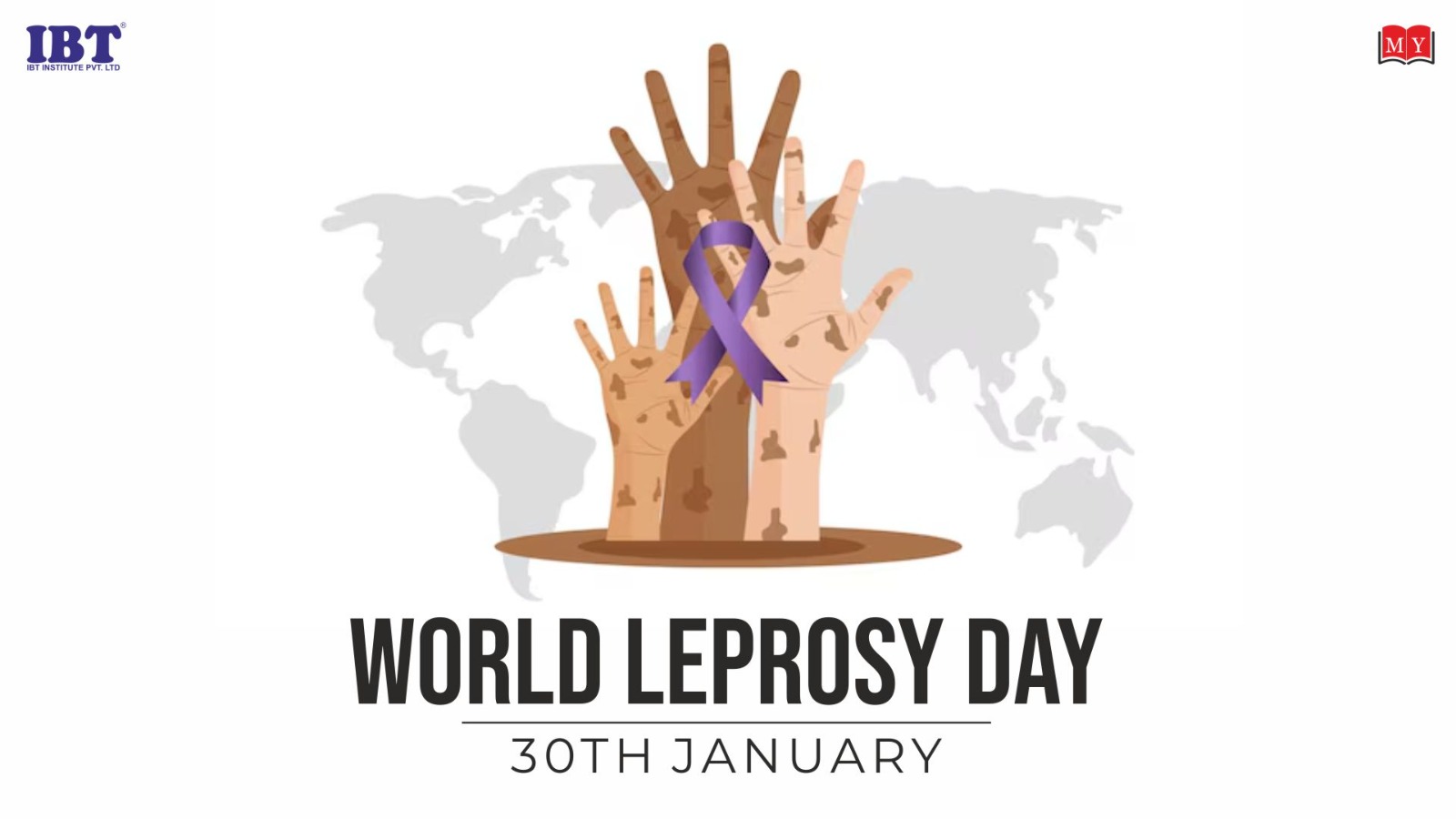
World Leprosy Day: 30th January
World Leprosy Day is observed globally on the last Sunday of January, but in India, it is specifically commemorated on January 30th. This day serves as a critical platform to raise awareness about a disease that many mistakenly believe is extinct, but which still affects hundreds of thousands of people every year.
Theme for 2026: "Shattering Stigma, Promoting Early Detection"
For 2026, the global campaign focuses on the dual necessity of medical and social intervention:
"Shattering Stigma, Promoting Early Detection"
While the previous year focused on the call to "Unite. Act. Eliminate," 2026 takes a more granular approach to the biggest barrier to a leprosy-free world: fear.
Key Pillars of the 2026 Theme:
-
Ending "Identity" Stigma: Shifting public perception so that leprosy is seen as a manageable medical condition rather than a social "identity" or a curse.
-
Active Community Involvement: Empowering local leaders and "leprosy champions" (survivors) to lead education efforts in remote endemic areas.
-
Zero Transmission Goal: Aligning with the WHO Global Leprosy Strategy to reach zero new cases in at least 120 countries by 2030.
-
Pediatric Focus: Prioritizing the detection of leprosy in children to prevent lifelong disabilities, as children still account for nearly 6% of new cases.
Why January 30th? (The Gandhi Connection)
While the world celebrates on the last Sunday, India observes it on January 30th to mark the death anniversary of Mahatma Gandhi.
Gandhi was deeply committed to the cause of leprosy-affected persons at a time when they were outcasts. He famously said, "Leprosy work is not merely medical relief; it is transforming the frustration in life into the joy of dedication." By coinciding the day with his martyrdom, India honors his vision of a society where no one is excluded due to illness.
Understanding the Disease
Leprosy, also known as Hansen’s Disease, is an infectious disease caused by the bacterium Mycobacterium leprae.
|
Myth
|
Fact
|
|
Highly Contagious
|
Hard to Catch: Over 95% of humans have natural immunity. It requires close, frequent contact over months with an untreated person.
|
|
Untreatable
|
Curable: It is treated with Multi-Drug Therapy (MDT), which is provided free of cost worldwide by the WHO.
|
|
Hereditary
|
Not Genetic: It cannot be passed from parents to children.
|
|
A Curse
|
Biological: It is a bacterial infection that primarily affects the skin and peripheral nerves.
|
India's Progress: NLEP 2026
The National Leprosy Eradication Programme (NLEP) in India has set ambitious targets for the 2025–2026 period:
-
Sparsh Leprosy Awareness Campaign: A massive nationwide push involving ASHA workers for house-to-house screening.
-
Post-Exposure Prophylaxis (PEP): Administering a single dose of Rifampicin to people who have been in contact with a leprosy patient to prevent new cases.
-
Digital Tracking: Using the Nikshay portal for real-time monitoring of patients to ensure they complete their full course of MDT.
1 like |
0 comment