4.5/5
4.5/5





World Leprosy Day: 30 January
Introduction
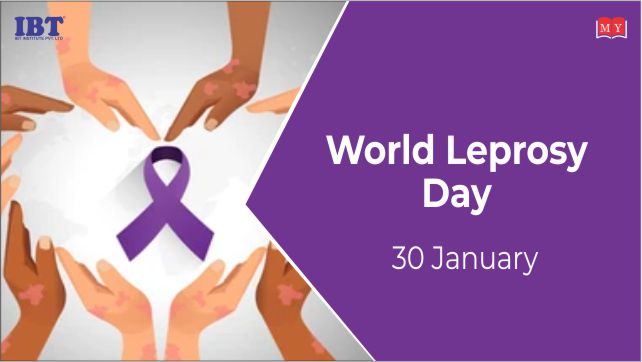
World Leprosy Day is observed annually on January 30 to raise awareness about leprosy, eliminate stigma, and promote efforts to combat the disease globally. The day also marks the anniversary of Mahatma Gandhi’s death, who was a strong advocate for the rights and dignity of leprosy patients.
World Leprosy Day is observed annually on January 30 to raise awareness about leprosy, eliminate stigma, and promote efforts to combat the disease globally. The day also marks the anniversary of Mahatma Gandhi’s death, who was a strong advocate for the rights and dignity of leprosy patients.
Leprosy, also known as Hansen’s disease, is a chronic infectious disease caused by the bacterium Mycobacterium leprae. It primarily affects the skin, peripheral nerves, and eyes. Despite being curable with Multi-Drug Therapy (MDT), misconceptions and stigma continue to impact those affected.
World Leprosy Day plays a crucial role in:
-
Raising Awareness: Educating people about leprosy, its symptoms, treatment, and the importance of early diagnosis.
-
Combating Stigma: Encouraging inclusivity and social acceptance of those affected by the disease.
-
Advocating for Eradication: Supporting global efforts to eliminate leprosy through improved healthcare services and policies.
History and Theme
French humanitarian Raoul Follereau established World Leprosy Day in 1954 to promote compassion toward individuals with leprosy. It is observed on the last Sunday of January in many countries, while in India, it is marked on January 30 to honor Mahatma Gandhi’s contribution to leprosy awareness.
Each year, the day is celebrated with a specific theme focusing on early detection, healthcare improvements, and fighting discrimination.
Global and Indian Scenario
- Global Impact: According to the World Health Organization (WHO), over 200,000 new cases of leprosy are detected worldwide each year, with India, Brazil, and Indonesia accounting for the highest numbers.
- India’s Efforts: India launched the National Leprosy Eradication Programme (NLEP) to reduce the prevalence of the disease. Despite significant progress, the country still contributes to over 50% of global leprosy cases.
Challenges:
-
Social stigma leading to discrimination and isolation.
-
Lack of early detection and healthcare accessibility in rural areas.
-
Misconceptions about contagion and incurability.
Way Forward:
-
Strengthening awareness campaigns and medical facilities.
-
Encouraging early diagnosis and treatment through community healthcare initiatives.
-
Promoting inclusivity and legal rights for leprosy-affected individuals.
Conclusion
World Leprosy Day serves as a reminder of the ongoing fight against leprosy. With medical advancements and social support, complete eradication is possible. Spreading awareness and embracing affected individuals with compassion and dignity is essential in achieving a leprosy-free world.
World Leprosy Day serves as a reminder of the ongoing fight against leprosy. With medical advancements and social support, complete eradication is possible. Spreading awareness and embracing affected individuals with compassion and dignity is essential in achieving a leprosy-free world.
2 likes |
0 comment