4.5/5
4.5/5





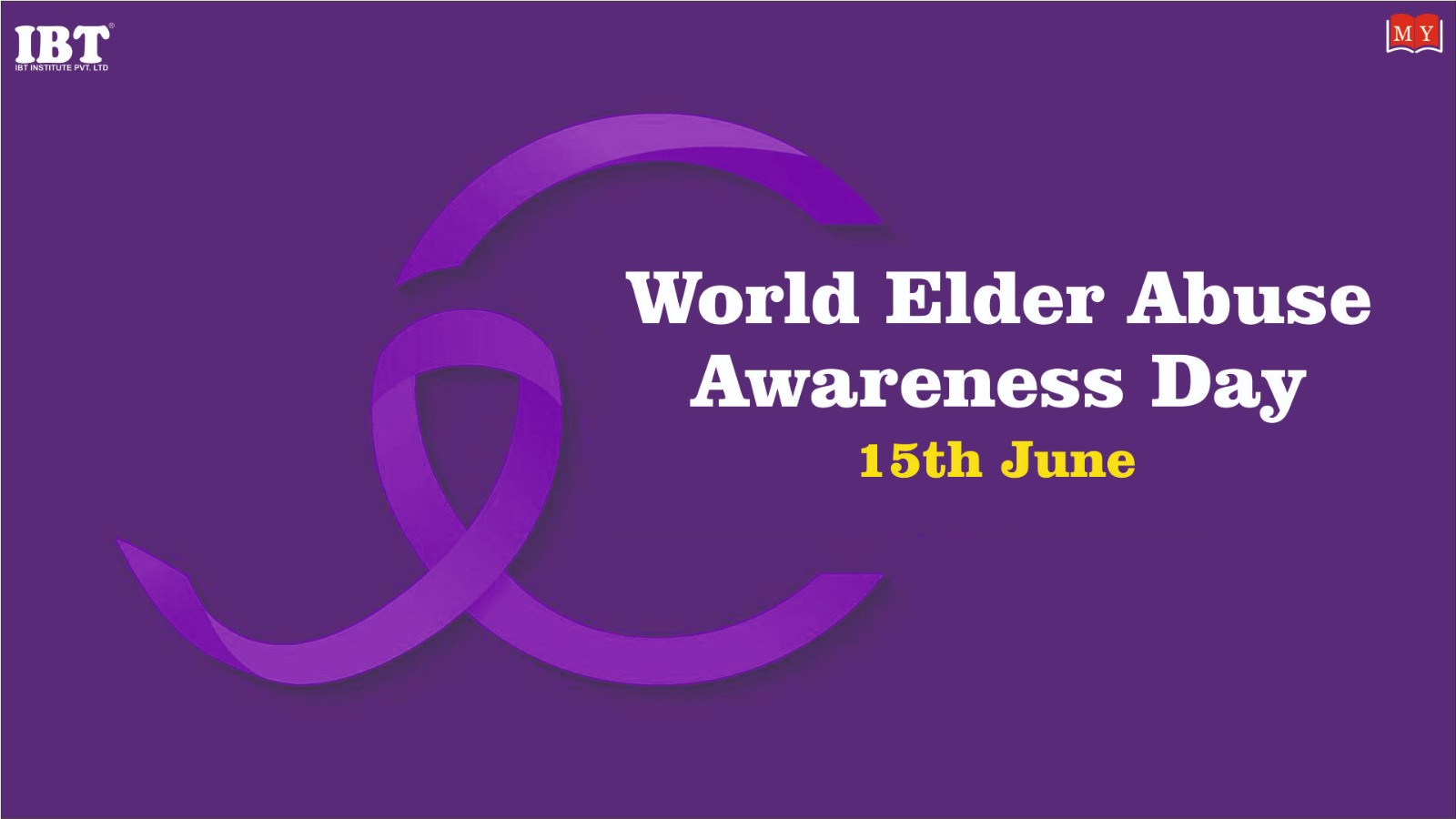
World Elder Abuse Awareness Day: 15th June
Silence No More: The Global Fight Against Elder Abuse
Every year on June 15, the world observes World Elder Abuse Awareness Day (WEAAD). It is a day dedicated to highlighting one of the most hidden yet pervasive human rights issues of our time: the abuse, neglect, and exploitation of older adults. As global life expectancy rises, the security and dignity of our aging population have become a critical public health and social priority.
What is Elder Abuse?
The World Health Organization (WHO) defines elder abuse as a single or repeated act—or a lack of appropriate action—occurring within any relationship where there is an expectation of trust, which causes harm or distress to an older person.
Tragically, this issue remains largely "the tip of the iceberg." Studies suggest that only about one in 24 cases is reported, often due to the victim's fear of retaliation, shame, or deep-seated dependency on the abuser.
The Five Primary Forms of Mistreatment
-
Physical Abuse: Inflicting physical pain, injury, or impairment through acts like hitting, shoving, or restraining.
-
Psychological/Emotional Abuse: Using verbal threats, intimidation, humiliation, or isolation to cause emotional distress.
-
Financial Exploitation: This is one of the fastest-growing forms of abuse. It involves the unauthorized or coerced use of an elder’s money, property, or assets, often by family members or trusted caregivers.
-
Neglect: The failure of a caregiver to provide basic necessities such as food, water, clothing, shelter, or essential medical care. This also includes "self-neglect," where an individual is unable to care for their own basic needs.
-
Sexual Abuse: Any non-consensual sexual act or interaction.
Why Awareness is a Global Necessity
- As the global population of those aged 60 and older is projected to reach 2 billion by 2050, the risk factors for abuse—such as social isolation, physical or cognitive impairment, and dependency on others—are expected to rise.
- The impacts of abuse are devastating, leading to physical injuries, severe anxiety, depression, and, in many cases, a shortened lifespan. Beyond the individual, it represents a breakdown of the social fabric that is supposed to protect those who have contributed a lifetime of wisdom and labor to our communities.
The Indian Context: Cultural Traditions vs. Modern Realities
In India, elders have historically been revered as the "fountains of knowledge." However, as society shifts toward nuclear family structures, many seniors find themselves increasingly vulnerable to neglect and financial exploitation.
Legal Safeguards in India
To bridge the gap between cultural values and modern-day protection, the Indian government enacted the Maintenance and Welfare of Parents and Senior Citizens Act (2007).
-
Legal Obligation: The Act makes it a mandatory legal duty for children and heirs to provide maintenance (food, shelter, medical care) to their parents and grandparents.
-
Speedy Recourse: It provides for the creation of maintenance tribunals, offering a simple and inexpensive legal mechanism for seniors to claim support or seek protection for their property.
-
Dignity and Protection: Judicial precedents, such as in Smt. S. Vanitha v. Deputy Commissioner (2020), have reinforced that the law must be applied to prioritize the dignity and safety of elders over property disputes.
1 like |
0 comment