4.5/5
4.5/5





World Bee Day: May 20
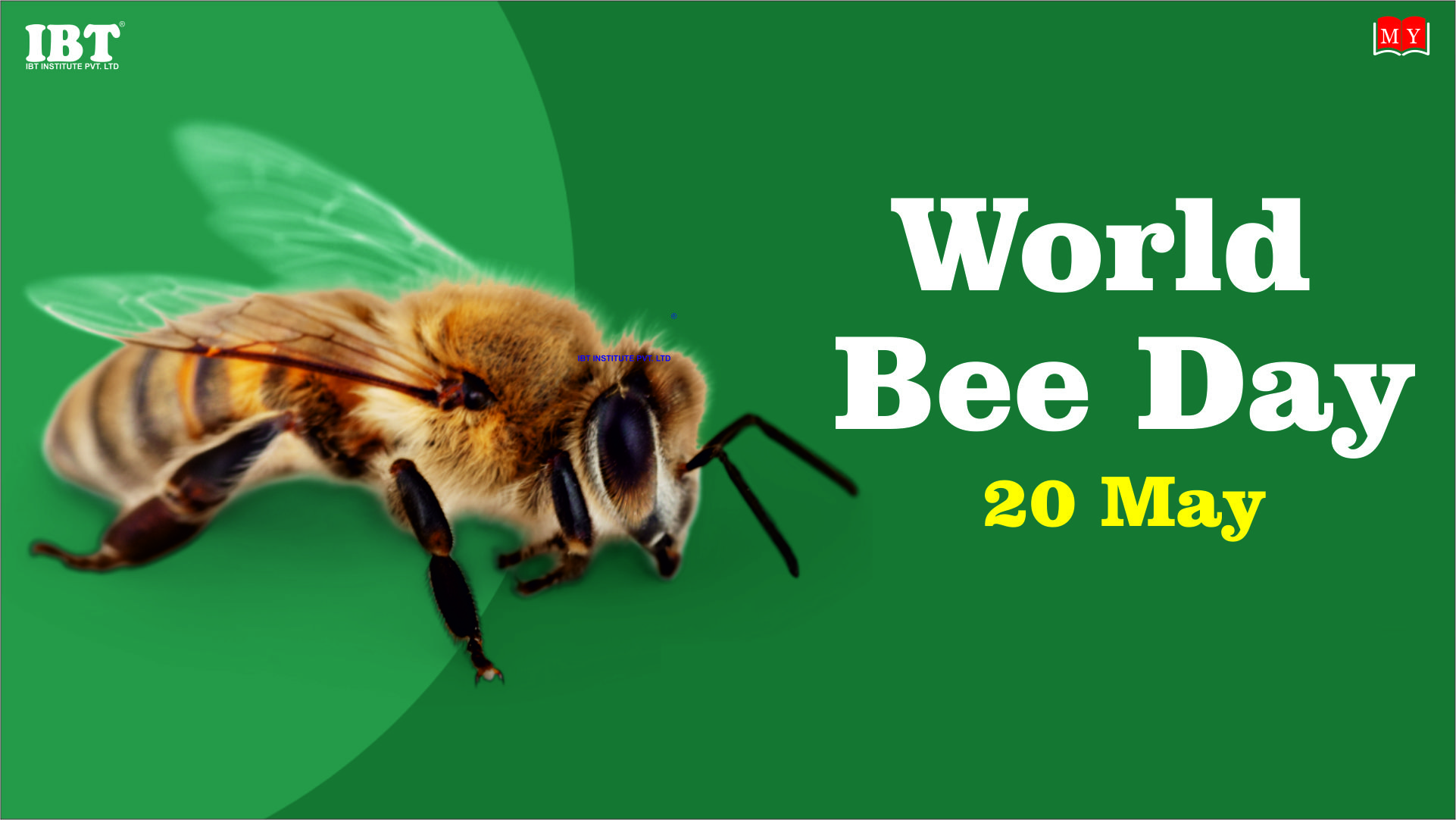
World Bee Day: May 20
Observed annually on May 20, World Bee Day highlights the pivotal role that bees and other pollinators play in our ecosystem. Established by the United Nations in 2017 following a proposal by Slovenia, this day serves as a call to action to protect these tiny but mighty contributors to global food security.
2026 Theme: "Bee Engaged with Youth"
The 2026 observance focuses on involving the younger generation in conservation efforts. As biodiversity faces increasing threats, the theme emphasizes:
-
Education: Teaching students about the link between pollinators and the food on their plates.
-
Green Skills: Encouraging young entrepreneurs to enter sustainable beekeeping and organic farming.
-
Advocacy: Empowering youth to lead local campaigns for "bee-friendly" urban spaces and the reduction of harmful pesticides.
Why Bees Are Essential
Bees are much more than just honey producers; they are the "unsung heroes" of the natural world:
-
Food Security: Nearly one out of every three bites of food we eat depends on pollinators. They are responsible for the growth of fruits, vegetables, seeds, and nuts.
-
Biodiversity: Pollination is a fundamental process for the survival of ecosystems. Many wild plants depend on bees to reproduce, providing habitat and food for other animals.
-
Economic Impact: Globally, pollinators contribute billions of dollars to the agricultural economy by increasing crop yields and quality.
Historical Significance of May 20
The date was chosen to coincide with the birthday of Anton Janša (1734–1773), a pioneer of modern beekeeping.
-
Janša was a Slovenian apiarist who was the first to recognize the importance of drones and the role of the queen bee.
-
He was appointed by Empress Maria Theresa as a permanent teacher of beekeeping, helping to standardize sustainable practices that are still used today.
Threats to the Population
Despite their importance, bee populations are declining globally due to:
-
Habitat Loss: Intensive farming and urbanization destroying natural nesting sites.
-
Pesticides: The use of neonicotinoids and other chemicals that disorient or kill bees.
-
Climate Change: Rising temperatures shifting the blooming seasons of flowers, causing a mismatch with bee activity.
1 like |
0 comment