4.5/5
4.5/5





Philippines Declares Energy Emergency Amid Iran Conflict: Fuel Crisis
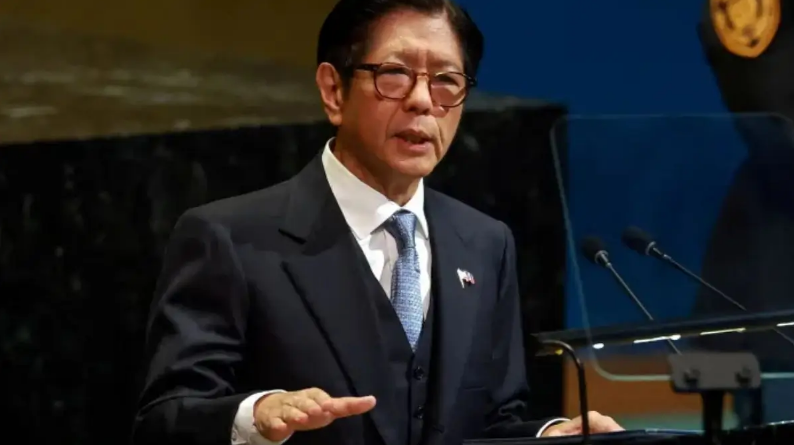
Philippines Declares Energy Emergency Amid Iran Conflict: Fuel Crisis
On March 24, 2026, Philippine President Ferdinand Marcos Jr. officially declared a State of National Energy Emergency through Executive Order No. 110. The declaration comes in response to the escalating conflict in the Middle East involving Iran, Israel, and the United States, which has severely disrupted global oil supply chains and sent domestic fuel prices soaring.
The Crisis Overview
-
Cause: The conflict, which escalated following a joint U.S.-Israeli offensive on February 28, has led to a near-total blockade of the Strait of Hormuz. This maritime chokepoint is critical for the Philippines, which relies on the Gulf region for approximately 90% to 98% of its oil imports.
-
Fuel Scarcity: As of late March, the Department of Energy reported that the country’s fuel reserves have dwindled to approximately 45 to 53 days.
-
Price Surge: Since the start of the conflict, pump prices for diesel and gasoline have more than doubled, with some rates in Metro Manila exceeding 120 pesos ($2) per liter.
-
Economic Impact: The Philippine peso has slumped to become one of the worst-performing currencies in Asia this month, and the stock market has dropped nearly 9%.
Key Measures under Executive Order 110
The emergency declaration, effective for one year, activates a "whole-of-government" approach to stabilize the economy:
-
Emergency Procurement: The government is authorized to bypass standard lengthy bidding processes to procure fuel and petroleum products. It can also make advance payments exceeding the usual 15% limit to secure supply.
-
UPLIFT Framework: The "Unified Package for Livelihoods, Industry, Food, and Transport" was launched to provide targeted relief and subsidies to the transport and agricultural sectors.
-
Conservation Policies: * Government offices have been directed to implement energy-saving measures, such as a four-day workweek.
-
Air-conditioning use in state buildings is being restricted.
-
Many schools and universities in affected regions have shifted back to online classes to reduce transport demand.
-
-
Anti-Hoarding & Price Monitoring: The Department of Trade and Industry (DTI) and the Philippine National Police (PNP) have been deployed to prevent fuel hoarding and "profiteering" by gas station operators.
International Diplomacy and New Sources
To address the immediate shortage, the administration is exploring non-traditional energy sources:
-
Russian Oil: President Marcos confirmed that the Philippines is exploring the possibility of importing crude oil from Russia.
-
Sanction Waivers: The Philippine ambassador to the U.S. is currently in talks with the State Department to seek waivers that would allow Manila to purchase oil from sanctioned countries, potentially including Iran and Venezuela.
-
Regional Cooperation: Discussions are ongoing with China and neighboring Southeast Asian nations to secure additional buffer stocks of approximately 1 million barrels.
Current Status
President Marcos has urged the public to remain calm, stating the declaration is a "precautionary tool" to ensure the government can act quickly as the situation evolves. While some commercial airlines have secured jet fuel through June, officials have warned that fuel rationing remains a distinct possibility if the Strait of Hormuz remains closed long-term.
1 like |
0 comment