4.5/5
4.5/5




International Olympic Day: 23rd June
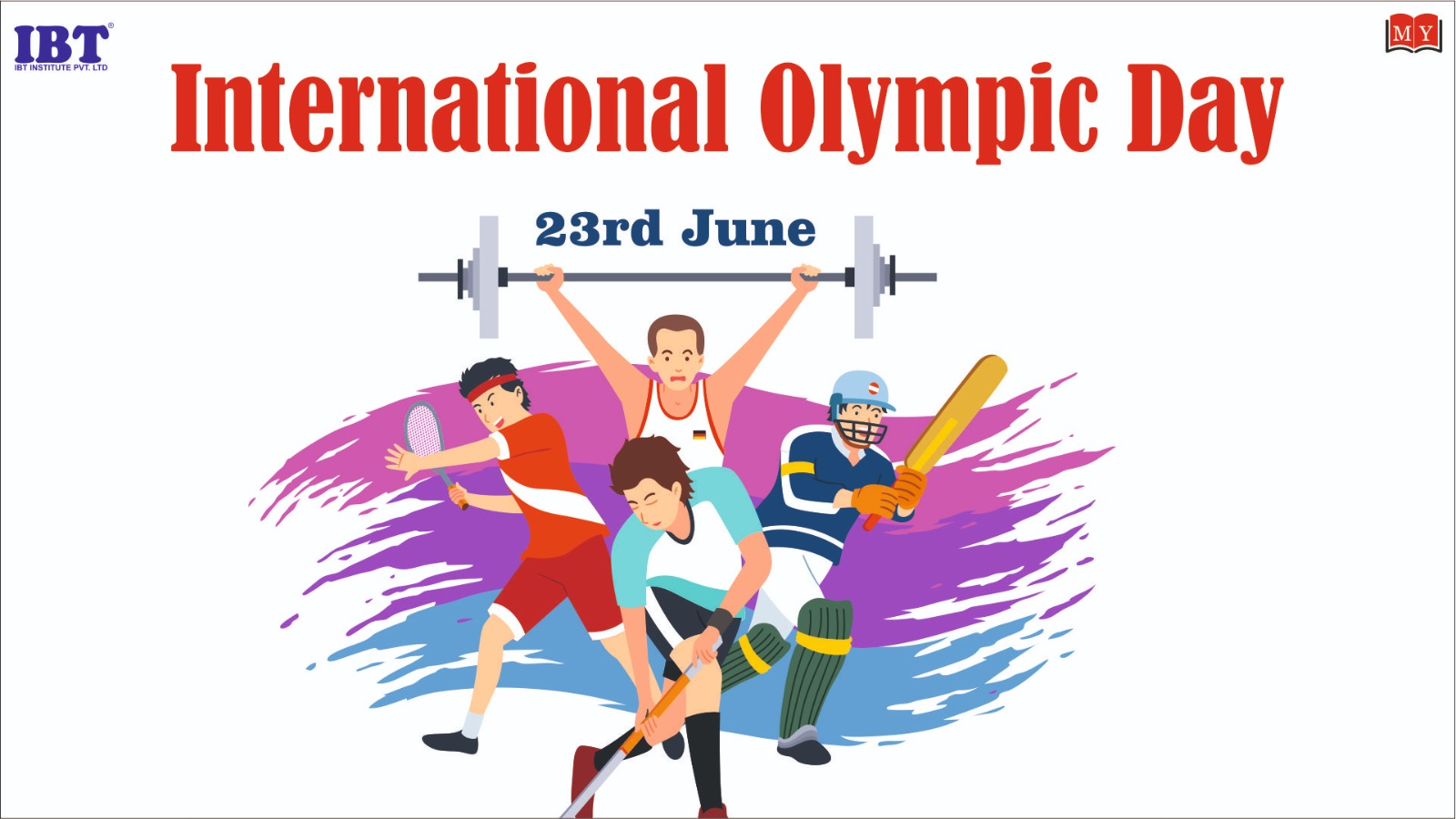
International Olympic Day: 23rd June
Celebrated annually on June 23rd, International Olympic Day is a global commemoration of the birth of the modern Olympic Games. It is more than just a date on the calendar; it is a movement that promotes the Olympic values of excellence, friendship, and respect, encouraging people of all ages and abilities to lead active, healthy lives.
Historical Origins
The date of June 23rd was specifically chosen to commemorate the founding of the International Olympic Committee (IOC).
-
The Foundation: On June 23, 1894, Baron Pierre de Coubertin convened a congress at the Sorbonne in Paris to revive the ancient Olympic Games.
-
The First Celebration: The first International Olympic Day was celebrated on June 23, 1948, in cities like Lisbon, Athens, Brussels, and Rio de Janeiro. Since then, it has evolved into a global celebration, reflecting the growth of the Olympic movement from a small initiative to the world’s largest sporting spectacle.
The Olympic Pillars
Olympic Day is built upon three fundamental pillars that encourage global participation:
-
Move: Encouraging physical activity and the joy of movement, regardless of the sport or skill level.
-
Learn: Discovering the history of the Olympic Games, the culture of host nations, and the lifelong values of sportsmanship and perseverance.
-
Discover: Trying new sports, meeting new people, and exploring how sports can act as a bridge between different cultures and communities.
2026 Theme: "Let’s Move and Celebrate"
In 2026, the movement continues to emphasize the "Let's Move" campaign, a joint initiative between the IOC and the World Health Organization (WHO).
-
Combating Inactivity: With modern lifestyles becoming increasingly sedentary, the campaign serves as a call to action to dedicate at least 30 minutes a day to physical activity.
-
The Power of Community: The theme emphasizes that sport is not just about competition; it is about social connection. Whether through community fun runs, school sports days, or virtual challenges, the focus is on inclusion and participation.
Why It Matters
-
Promoting Peace: The Olympic Truce is a key component of the movement, calling for a cessation of hostilities during the Games. Olympic Day highlights how sport can be a neutral ground for dialogue and conflict resolution.
-
Supporting Global Health: By fostering an environment where physical activity is celebrated, the day contributes to the global fight against lifestyle-related illnesses, such as obesity and cardiovascular disease.
-
Sustainability and Future: The modern Olympic movement is increasingly focused on sustainability. Olympic Day acts as a platform to highlight "green sports" and the importance of hosting events that respect the environment.
How It Is Celebrated
Across the globe, National Olympic Committees (NOCs) organize a variety of activities to engage the public:
-
Olympic Day Runs: Traditionally, one of the most popular ways to celebrate is through local "Olympic Day Runs," which are open to everyone, from elite athletes to families and children.
-
Educational Programs: Schools often integrate Olympic history into their curriculum, using the stories of legendary athletes to teach lessons about discipline, goal-setting, and overcoming adversity.
-
Athlete Meet-and-Greets: Many cities host events where local Olympians and Paralympians share their experiences, inspiring the next generation of athletes.
A Legacy of Excellence
International Olympic Day reminds us that the spirit of the Olympics is not reserved only for the elite athletes who compete on the world stage every four years. It is a spirit of personal best—an invitation for every individual to challenge their own limits, respect their peers, and contribute to a healthier, more connected world.
As we look toward the future of sports, this day remains a vital reminder that sport is a powerful tool for positive change, capable of uniting a diverse global community under the common banner of shared achievement.
0 like |
0 comment