4.5/5
4.5/5





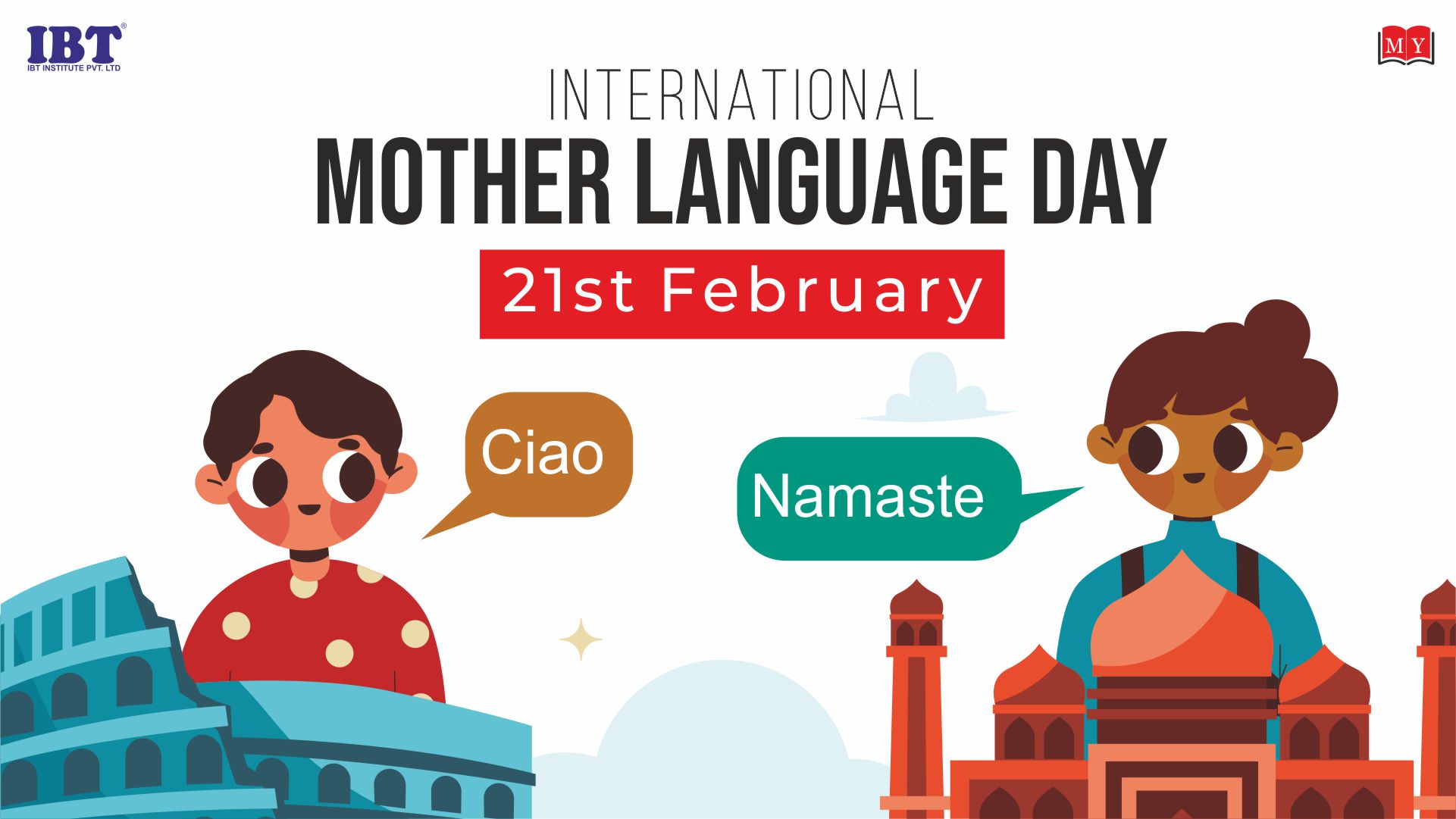
International Mother Language Day: 21st February
International Mother Language Day: 21st February
International Mother Language Day is celebrated every year on February 21st. Established by UNESCO in 1999, it is a tribute to the 1952 Language Movement in Bangladesh, where students sacrificed their lives for the right to speak their mother tongue, Bengali.
In 2026, the world marks a significant milestone as we continue the Silver Jubilee (25th Anniversary) celebrations of this observance.
Theme 2026: "Youth Voices on Multilingual Education"
Slogan: "Languages Matter: Make Every Voice Count"
While the overarching goal remains "Together for a better world through linguistic diversity," the 2026 specific theme focuses on the role of the younger generation. It recognizes that in a digital, globalized world, young people are the ultimate gatekeepers of endangered languages.
The Three Pillars of the 2026 Theme:
1. Digital Empowerment and Revitalization
The 2026 campaign highlights how youth are using technology to save dying languages.
-
Social Media & Memes: Using TikTok and Instagram to normalize speaking indigenous and minority languages.
-
AI for Inclusion: Developing AI-driven translation and keyboard tools for languages that do not yet have a digital presence.
-
Coding in Mother Tongue: Encouraging the development of software and apps in regional languages to bridge the "digital divide."
2. Multilingual Education (MLE) as a Human Right
A core focus this year is ensuring that children start their education in their first language.
-
The 40% Statistic: UNESCO highlights that 40% of the global population still lacks access to education in a language they speak or understand.
-
Cognitive Benefits: Promoting the scientific fact that learning in one's mother tongue improves self-esteem, critical thinking, and long-term academic success.
3. Intergenerational Knowledge Transfer
The theme emphasizes the "Grandparent-to-Grandchild" link. In 2026, programs are being launched to encourage young people to document oral histories, folk songs, and traditional knowledge from their elders before these linguistic treasures are lost.
Historical Context: The 21st February Connection
The date was chosen to honor the "Language Martyrs" of Bangladesh. On February 21, 1952, students at the University of Dhaka protested against the imposition of Urdu as the sole national language of Pakistan. The police opened fire, killing several activists. This sacrifice eventually led to the recognition of Bengali and served as a global symbol for the right to one's mother tongue.
The Global Reality: Why We Celebrate
-
The Loss: Every two weeks, a language disappears from the world, taking with it an entire cultural and intellectual heritage.
-
Diversity: There are roughly 7,000 languages spoken today, but more than half are at risk of extinction by the end of this century.
-
The Decade: We are currently in the International Decade of Indigenous Languages (2022–2032), making the 2026 celebration a critical midpoint for action.
1 like |
0 comment