4.5/5
4.5/5





International Labour Day: May 1
International Labour Day: May 1
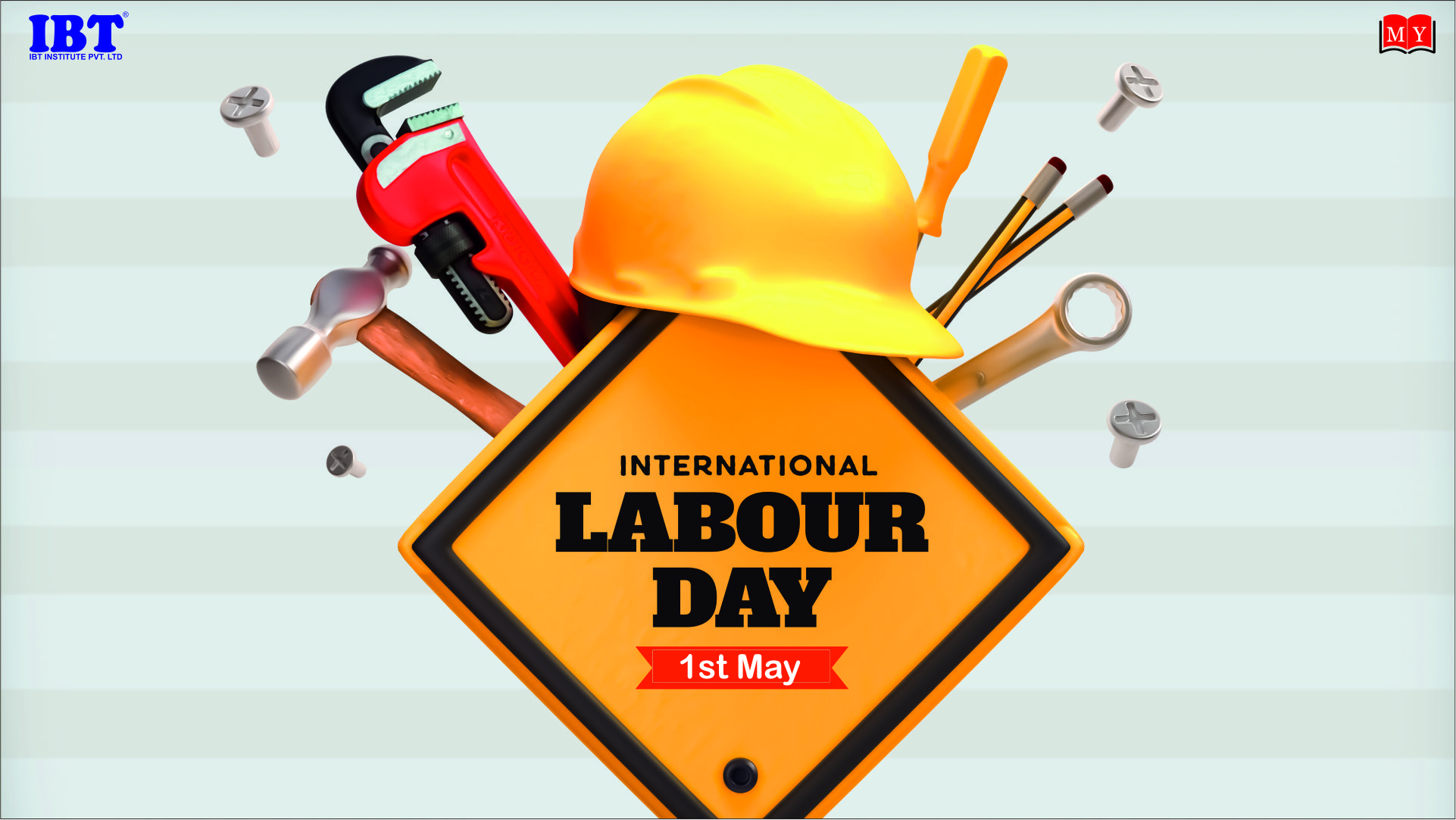
International Labour Day, observed annually on May 1, is a global tribute to the contributions of workers and the historic struggles that secured fundamental labor rights. In 2026, the day falls on a Friday, serving as a significant moment to reflect on the evolution of the workplace from the industrial era to the digital age.
2026 Theme: "Ensuring a Healthy Psychosocial Working Environment"
This year, the International Labour Organization (ILO) and global labor unions have shifted the spotlight to a critical modern challenge: mental health and psychosocial well-being.
As the "always-on" culture of the digital world and the pressures of the gig economy increase, the 2026 theme emphasizes:
-
Mental Health Awareness: Addressing risks such as burnout, excessive workloads, and workplace stress.
-
Social Justice: Bridging the gap between informal and formal economies to ensure fair pay and social protection for all.
-
Climate Action: Ensuring a "just transition" for workers as industries move toward sustainable energy.
-
Work-Life Balance: Advocating for the "right to disconnect" so that digital transformation doesn't lead to physical and emotional exhaustion.
Historical Origins
The roots of Labour Day trace back to the late 19th century during the peak of the Industrial Revolution.
The Haymarket Affair (1886)
The movement began in Chicago, USA, where workers organized a massive strike on May 1, 1886, demanding an 8-hour workday. At the time, 10 to 16-hour shifts were common. On May 4, a peaceful rally at Haymarket Square turned violent after a bomb was thrown, leading to clashes with police and several deaths. In 1889, the International Socialist Conference declared May 1 as a day for international demonstrations to honor those who fought for the 8-hour limit.
Labour Day in India
India celebrated its first Labour Day on May 1, 1923, in Chennai (then Madras). It was organized by the Labour Kisan Party of Hindustan, led by Malayapuram Singaravelu Chettiar. He raised the red flag for the first time in India and demanded that the government declare the day a national holiday. Today, it is known as Antarrashtriya Shramik Diwas or Kamgar Diwas.
Significance in 2026
Labour Day remains a public holiday in many countries, including most states in India. It serves as a day of:
-
Unity: Labor unions and organizations hold rallies and seminars to discuss policy reforms and workers' rights.
-
Reflection: Acknowledging the progress made in labor laws, such as the Minimum Wages Act and the Maternity Benefit Act.
-
Modern Advocacy: Highlighting current issues like AI-driven job displacement, gender wage gaps, and the lack of social security for contract workers.
Whether it is called May Day, International Workers' Day, or Labour Day, the core message remains: every worker deserves a safe environment, fair compensation, and the dignity of a balanced life.
1 like |
0 comment