4.5/5
4.5/5





International Day of Yoga: 21st June
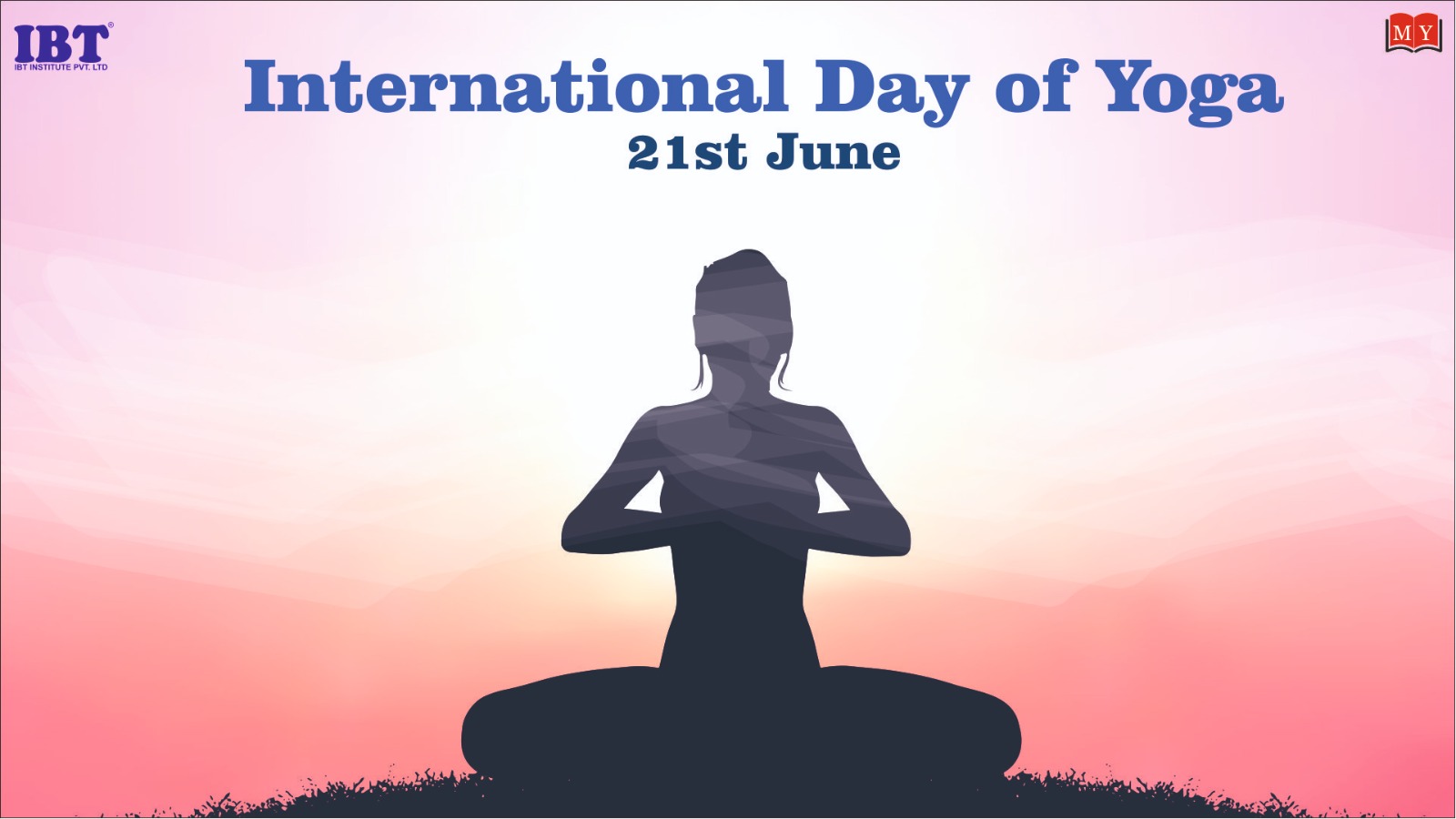
International Day of Yoga: 21st June
The International Day of Yoga, observed annually on June 21st, is a global celebration of the ancient physical, mental, and spiritual practice that originated in India. Recognized by the United Nations, this day emphasizes the practice's ability to promote holistic health, peace, and harmony across the world.
The Origins and UN Recognition
The proposal to establish an International Day of Yoga was spearheaded by the Prime Minister of India, Narendra Modi, during his address to the UN General Assembly in September 2014.
-
The Date: June 21st was chosen because it is the Summer Solstice—the longest day of the year in the Northern Hemisphere—which holds significant cultural and spiritual importance in many parts of the world.
-
Global Adoption: In December 2014, the UN declared June 21st as the International Day of Yoga with a record 175 member nations co-sponsoring the resolution, marking the fastest and widest adoption of any UN resolution of its kind.
Why Yoga?
Yoga is much more than physical exercise; the word itself is derived from the Sanskrit root yuj, meaning "to join" or "to unite," symbolizing the union of body and consciousness.
Key Benefits of Yoga:
-
Holistic Wellness: Regular practice combines asanas (postures), pranayama (breathing techniques), and dhyana (meditation), which contribute to improved flexibility, strength, and mental clarity.
-
Stress Reduction: Yoga is widely recognized as an effective tool for managing anxiety and stress, promoting mindfulness, and fostering emotional balance in a fast-paced world.
-
Universal Accessibility: Yoga transcends boundaries of age, gender, culture, and nationality. It requires minimal equipment, making it a sustainable and inclusive path to healthy living.
2026 Theme: "Yoga for Global Peace"
Each year, the observance focuses on a specific aspect of yoga’s impact. The theme for 2026, "Yoga for Global Peace," highlights the internal and external harmony the practice cultivates.
-
Internal Peace: By fostering self-awareness and self-discipline, yoga helps individuals manage personal conflicts, leading to more peaceful interactions in their daily lives.
-
External Harmony: The philosophy of yoga—Vasudhaiva Kutumbakam (the world is one family)—promotes a sense of interconnectedness. When people act with empathy and compassion, it creates a ripple effect that contributes to social and global stability.
The Significance of the Day
The International Day of Yoga serves several critical functions:
-
Promoting Preventive Healthcare: It encourages communities to adopt healthier lifestyles, reducing the burden of non-communicable diseases such as heart disease, diabetes, and hypertension.
-
Cultural Diplomacy: The day acts as a bridge, sharing India’s rich cultural heritage with the world while fostering global cooperation and understanding.
-
Mindfulness in a Digital Age: In an era dominated by screens and sedentary lifestyles, the day encourages a return to physical movement, conscious breathing, and disconnect-to-reconnect habits.
How it is Celebrated
From mass yoga demonstrations at the UN headquarters in New York to local community classes in public parks and schools, June 21st sees millions of people worldwide unrolling their mats.
-
Common Yoga Protocol (CYP): Many governments and organizations promote a standardized sequence of yoga postures and breathing exercises designed to be safe and effective for participants of all skill levels.
-
Community Workshops: Local centers often organize sessions focused on different styles, such as Hatha, Vinyasa, or restorative yoga, allowing people to explore what best suits their physical needs.
By marking this day, the global community acknowledges that the path to a healthier world begins with the individual. Yoga provides the tools—strength, flexibility, and mindfulness—to navigate the challenges of modern life with grace and balance.
0 like |
0 comment