4.5/5
4.5/5





International Day Against Drug Abuse & Illicit Trafficking: 26th June
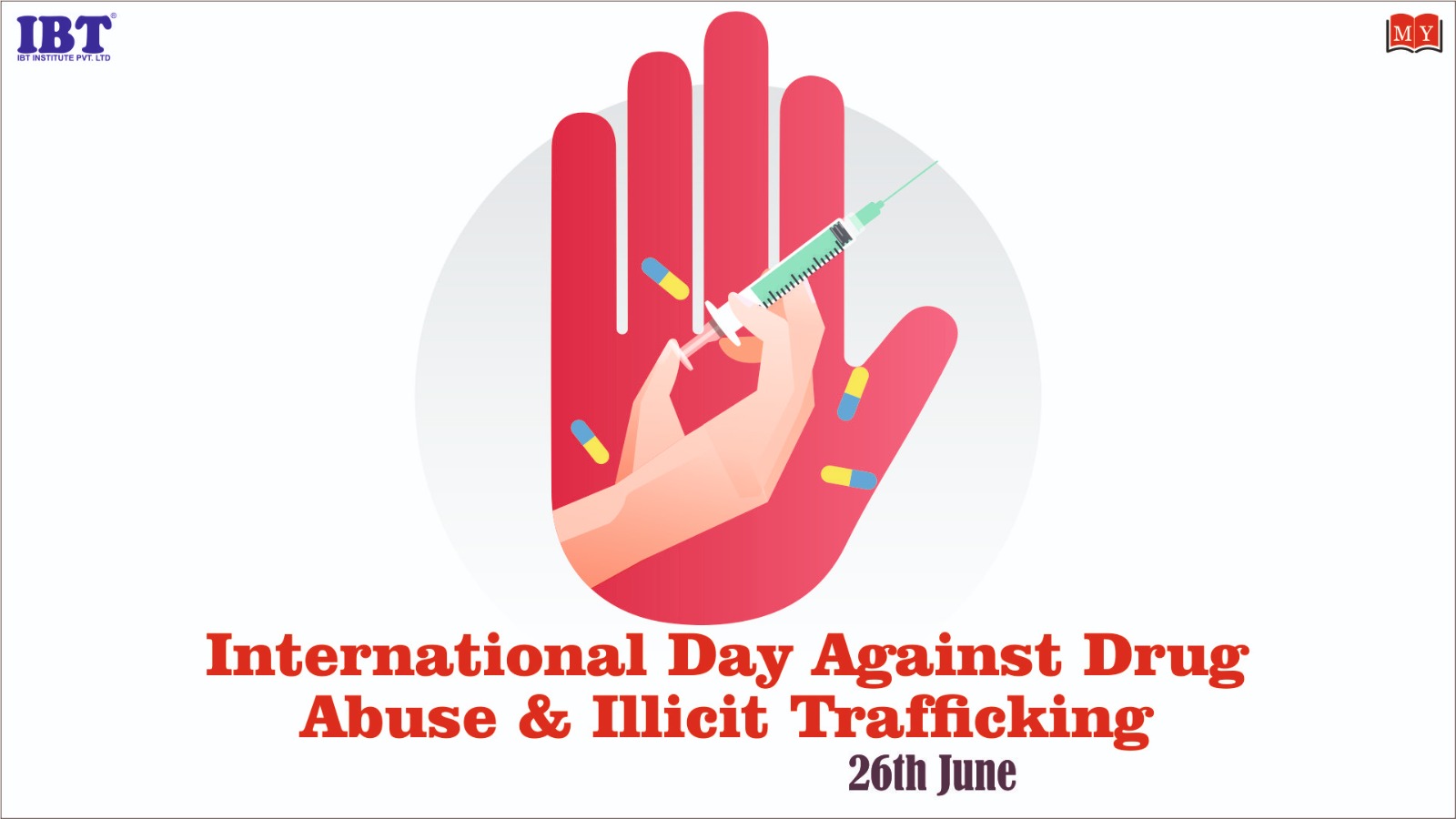
International Day Against Drug Abuse and Illicit Trafficking: 26th June
Observed annually on June 26th, the International Day Against Drug Abuse and Illicit Trafficking serves as a global rallying point to strengthen action and cooperation in achieving the goal of an international society free of drug abuse. This day is a critical reminder of the shared responsibility that nations, communities, and individuals have in tackling one of the most complex challenges facing the modern world.
Origins and Purpose
The day was established by the United Nations General Assembly in 1987 (Resolution 42/112). It serves as an expression of the determination of the international community to strengthen action and cooperation to achieve the goal of an international society free of drug abuse.
Primary Objectives:
-
Raising Awareness: To educate the public, particularly youth, about the devastating physical, psychological, and social impacts of drug abuse.
-
Combating Illicit Trade: To focus on the supply-side of the crisis, emphasizing the need for stricter international control of drug trafficking networks, money laundering, and the exploitation of borders.
-
Promoting Evidence-Based Treatment: To shift the global narrative from punishment to treatment, advocating for healthcare-led responses that prioritize rehabilitation and harm reduction.
The 2026 Perspective: A Balanced Approach
In 2026, the global dialogue on this day emphasizes a "Balanced Approach"—a recognition that fighting drug abuse requires both tough enforcement against criminal cartels and compassionate support for individuals suffering from substance use disorders.
-
Public Health Focus: The United Nations Office on Drugs and Crime (UNODC) consistently highlights that drug use is a health issue. Treatment centers, mental health support, and social reintegration programs are being prioritized over incarceration for minor, non-violent possession offenses.
-
Addressing Root Causes: The 2026 agenda focuses on the socio-economic drivers of drug abuse, including poverty, lack of educational opportunities, and systemic inequality. Addressing these "push factors" is seen as the most effective long-term strategy for prevention.
-
Countering New Threats: This year’s focus also addresses the rise of synthetic drugs (like fentanyl and other designer substances). These substances are harder to track and easier to manufacture in small, portable labs, presenting a new level of difficulty for law enforcement and health agencies alike.
The Global Impact
The consequences of drug abuse and illicit trafficking are far-reaching:
-
Public Health Crisis: Substance abuse contributes significantly to the burden of disease, including the spread of blood-borne viruses (like HIV and Hepatitis C), mental health deterioration, and overdose-related mortality.
-
Destabilizing Communities: Illicit trafficking networks often fuel violence, corruption, and the erosion of the rule of law in vulnerable regions.
-
Economic Burden: The social costs—ranging from healthcare expenses and loss of productivity to the costs of the criminal justice system—are staggering, hindering the development potential of nations.
A Call for Solidarity
The theme of the observance is often centered on solidarity and empathy.
-
"People First": This campaign slogan, supported by the UNODC, urges governments to prioritize people over profits and politics. It demands that we end stigma and discrimination, ensuring that those struggling with addiction are treated with respect and provided with medical care.
-
Youth Engagement: Because adolescence is a critical period for brain development, significant resources are dedicated to school-based prevention programs and building "resilience" in youth through sports, education, and community engagement.
How It Is Observed
On June 26th, countries worldwide participate in:
-
Community Awareness Campaigns: Marches, seminars, and public discussions that share the stories of those in recovery to combat the stigma surrounding addiction.
-
Policy Reviews: Governments often use this day to announce new legislation aimed at improving drug surveillance, strengthening cross-border cooperation against cartels, or increasing funding for rehabilitation clinics.
-
Educational Initiatives: Workshops aimed at parents, teachers, and healthcare workers to help them identify the signs of substance abuse early and provide appropriate support.
The International Day Against Drug Abuse and Illicit Trafficking is a solemn but necessary occasion. It reminds us that behind every statistic is a human life—a person with family, dreams, and potential. By working together to disrupt trafficking networks and building more compassionate, accessible healthcare systems, we can create a safer world where no one has to face the trap of addiction alone.
1 like |
0 comment