4.5/5
4.5/5





International Albinism Awareness Day: 13th June
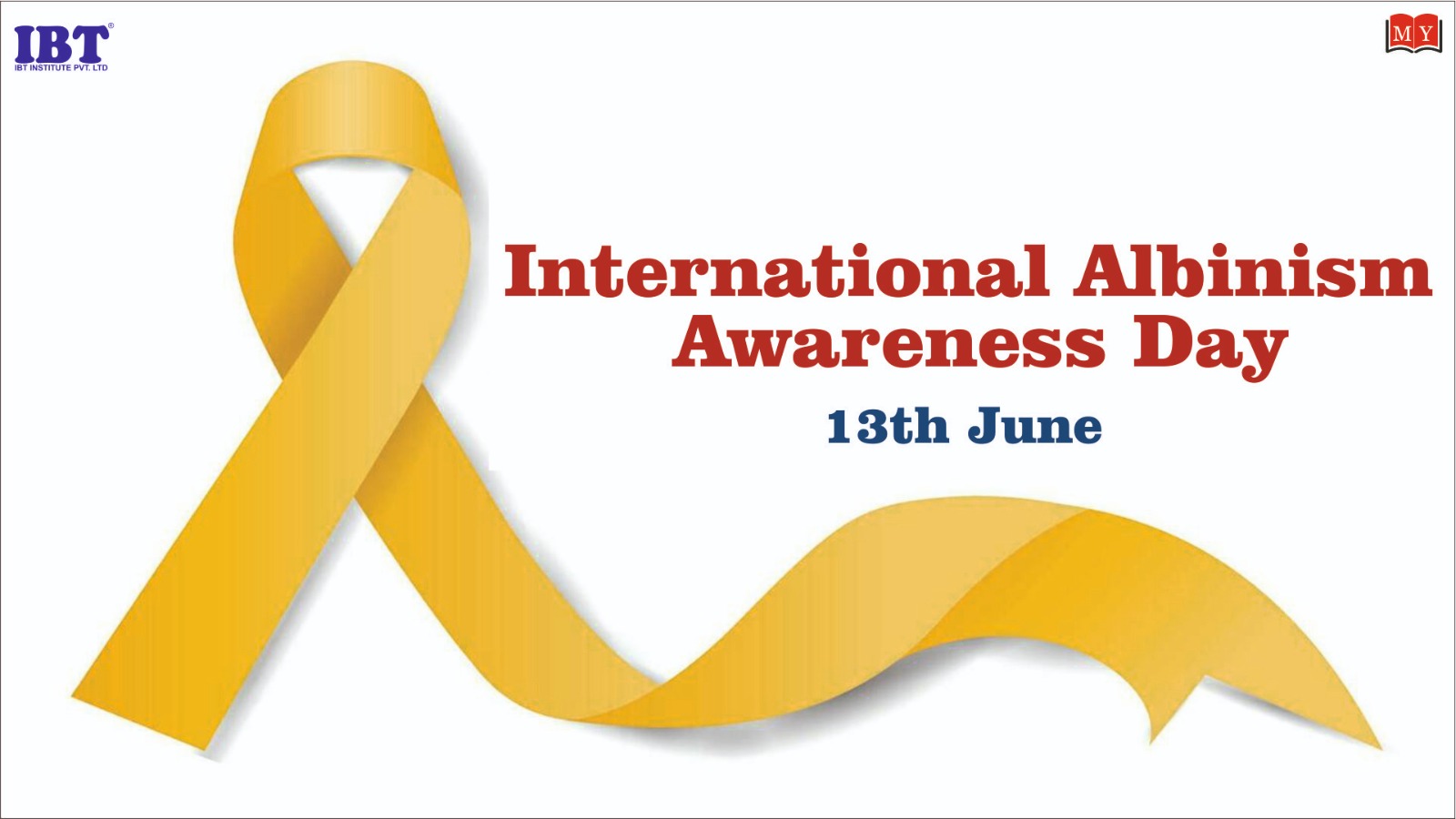
International Albinism Awareness Day: Celebrating Resilience and Rights
Every year on June 13, the world observes International Albinism Awareness Day (IAAD). This day is a global call to action to celebrate the achievements of individuals with albinism, advocate for their human rights, and dismantle the persistent myths and stigma that continue to marginalize them.
Understanding Albinism
Albinism is a rare, non-contagious, and genetically inherited condition. It is characterized by a lack of melanin—the pigment responsible for the color of our skin, hair, and eyes. Because melanin is essential for the healthy development of the eyes, individuals with albinism almost always have visual impairments. Additionally, the lack of pigment in the skin makes them highly susceptible to sunlight, which can lead to severe skin damage and a high risk of skin cancer if not properly managed.
It is important to emphasize that albinism is not a disease; it is a variation of human diversity. With proper access to healthcare, education, and protection from the sun, people with albinism can lead full, successful, and productive lives.
The 2026 Theme: "Proudly in My Skin"
The 2026 theme for IAAD is "Proudly in My Skin — Celebrating All Skin Tones."
This year’s observance focuses on the psychological impact of color-based discrimination. For many people with albinism, their appearance often makes them targets of bullying, exclusion, and dehumanizing stereotypes. This theme aims to:
-
Shift the Conversation: Move beyond defining people solely by their appearance to recognizing their full humanity.
-
Combat Stigma: Address how prejudices—rooted in myths and social bias—affect the dignity and mental well-being of the albinism community.
-
Foster Inclusion: Create environments where diversity in skin tone is not just tolerated, but celebrated as a part of the human experience.
The Global Struggle: Beyond Myths
While IAAD celebrates resilience, it also serves as a somber reminder of the human rights violations still faced by this community. In some parts of the world, albinism is shrouded in dangerous superstitions. People with albinism have faced horrific acts of violence, displacement, and social exclusion, often driven by the false belief that they possess "magical" properties.
In regions like India, where darker skin tones are the societal norm, individuals with albinism often navigate a "hidden" struggle. They may face:
-
Social Isolation: Being treated as outsiders, even within their own families or communities.
-
Educational Barriers: Visual impairments can make standard classroom learning difficult without proper accommodations like large-print materials or assistive technology.
-
Health Inequalities: Many struggle to access affordable dermatological care, sunscreen, and UV-protective clothing, which are not luxuries but medical necessities for their survival.
Moving Toward Equality
Establishing June 13 as an International Day—a resolution adopted by the UN General Assembly in 2014—was a landmark step. It moved albinism from a "rare condition" to a matter of international human rights.
How You Can Support the Cause:
-
Amplify Voices: Listen to the lived experiences of those with albinism rather than speaking for them. Share their stories on social media to normalize the diversity of skin tones.
-
Promote Sun Safety: Advocate for affordable access to sunscreen and protective gear, which are vital for preventing skin cancer in this community.
-
Challenge Prejudice: If you witness staring, mockery, or exclusion—whether in person or online—speak up. Discrimination thrives in silence.
-
Support Organizations: Contribute to or volunteer with local and global organizations (such as the National Organization for Albinism and Hypopigmentation - NOAH) that provide medical resources and advocacy.
-
Educate Others: Use this day to explain to children and peers that difference is not a weakness. Acceptance starts with accurate information.
1 like |
0 comment