4.5/5
4.5/5





Human Rights Day: 10th December
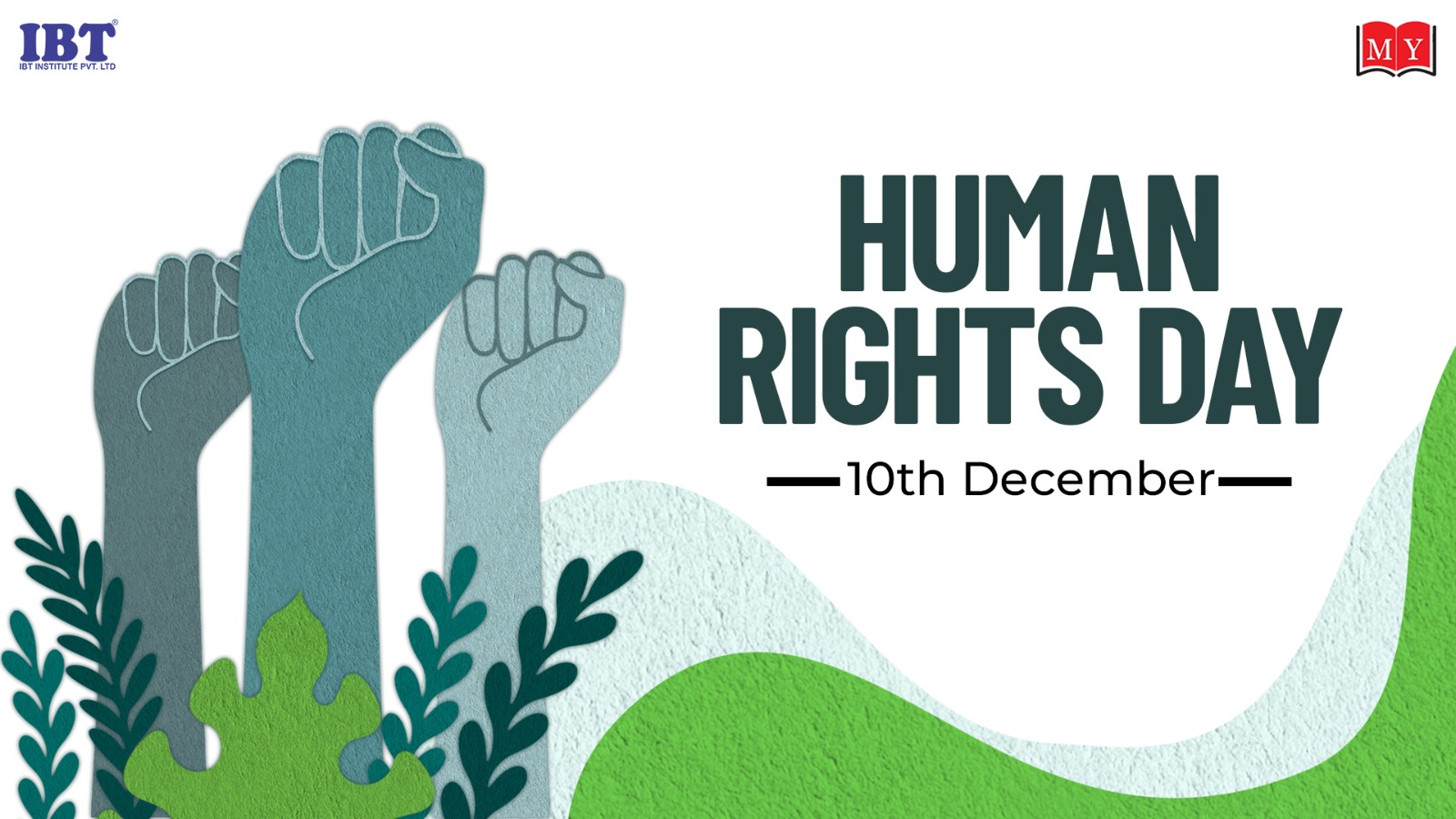
Human Rights Day: Commemorating the Universal Declaration on December 10th
Human Rights Day is observed annually on December 10th to commemorate the day in 1948 when the United Nations General Assembly adopted the Universal Declaration of Human Rights (UDHR).
This day serves as a global call to action, urging the international community to reaffirm its commitment to the inherent dignity and inalienable rights of every human being, regardless of their background, status, or location.
The Universal Declaration of Human Rights (UDHR)
The UDHR is a milestone document in the history of human rights. It was drafted by representatives from diverse legal and cultural backgrounds from all regions of the world, following the devastating "barbarous acts" of the Second World War which "outraged the conscience of mankind."
Its adoption was a global vow never to allow such atrocities to happen again, establishing a "common standard of achievement for all peoples and all nations."
-
Date of Adoption: December 10, 1948, in Paris, France.
-
Key Drafters: The drafting committee was chaired by Eleanor Roosevelt of the United States. Key contributors included René Cassin (France), Charles Malik (Lebanon), and John Humphrey (Canada).
-
Structure and Content: The UDHR consists of a Preamble and 30 Articles outlining fundamental human rights. These rights are categorized broadly into:
-
Civil and Political Rights: Such as the right to life, liberty, security of person (Article 3), freedom from slavery (Article 4), freedom from torture (Article 5), equality before the law (Article 7), and freedom of expression (Article 19).
-
Economic, Social, and Cultural Rights: Such as the right to social security (Article 22), the right to work and to equal pay (Article 23), the right to rest and leisure (Article 24), the right to an adequate standard of living (Article 25), and the right to education (Article 26).
-
The fundamental principles underlying the Declaration are:
-
Universality: Human rights are the same for everyone, everywhere, without distinction of any kind, such as race, color, sex, language, religion, political or other opinion, national or social origin, property, birth, or other status.
-
Inalienability: Rights cannot be taken away.
-
Interdependence and Indivisibility: All 30 articles are equally important; taking away one right negatively impacts all the others.
Significance and Observance
The UDHR, while not a legally binding treaty itself, has had a profound impact. It has inspired over 60 international human rights instruments and has been incorporated into the constitutions and legal frameworks of many nations.
On Human Rights Day, activities worldwide aim to promote awareness and action in defense of these rights:
-
Highlighting Challenges: The day is used to spotlight current human rights violations and ongoing challenges, such as poverty, discrimination, and conflict.
-
Nobel Peace Prize: The Nobel Peace Prize is traditionally awarded on December 10th in Oslo, Norway.
-
United Nations Prize: The five-yearly United Nations Prize in the Field of Human Rights is also often awarded on this day.
-
Campaigns and Themes: Each year, the UN Human Rights Office promotes a specific theme to focus global efforts. Recent themes have often focused on the connection between human rights and everyday life, emphasizing that these rights are not abstract concepts but "Everyday Essentials" that bring dignity, freedom, and justice to all.
A Call to Action
Human Rights Day serves as a critical reminder that the promise of the UDHR is yet to be fully realized for all people. It encourages every individual to "Stand Up for Human Rights" by upholding the principles in their daily lives, speaking up against injustice, and supporting collective action for a more just, equal, and peaceful world.
1 like |
0 comment