4.5/5
4.5/5





Cuba Blackout 2026
Cuba Blackout 2026
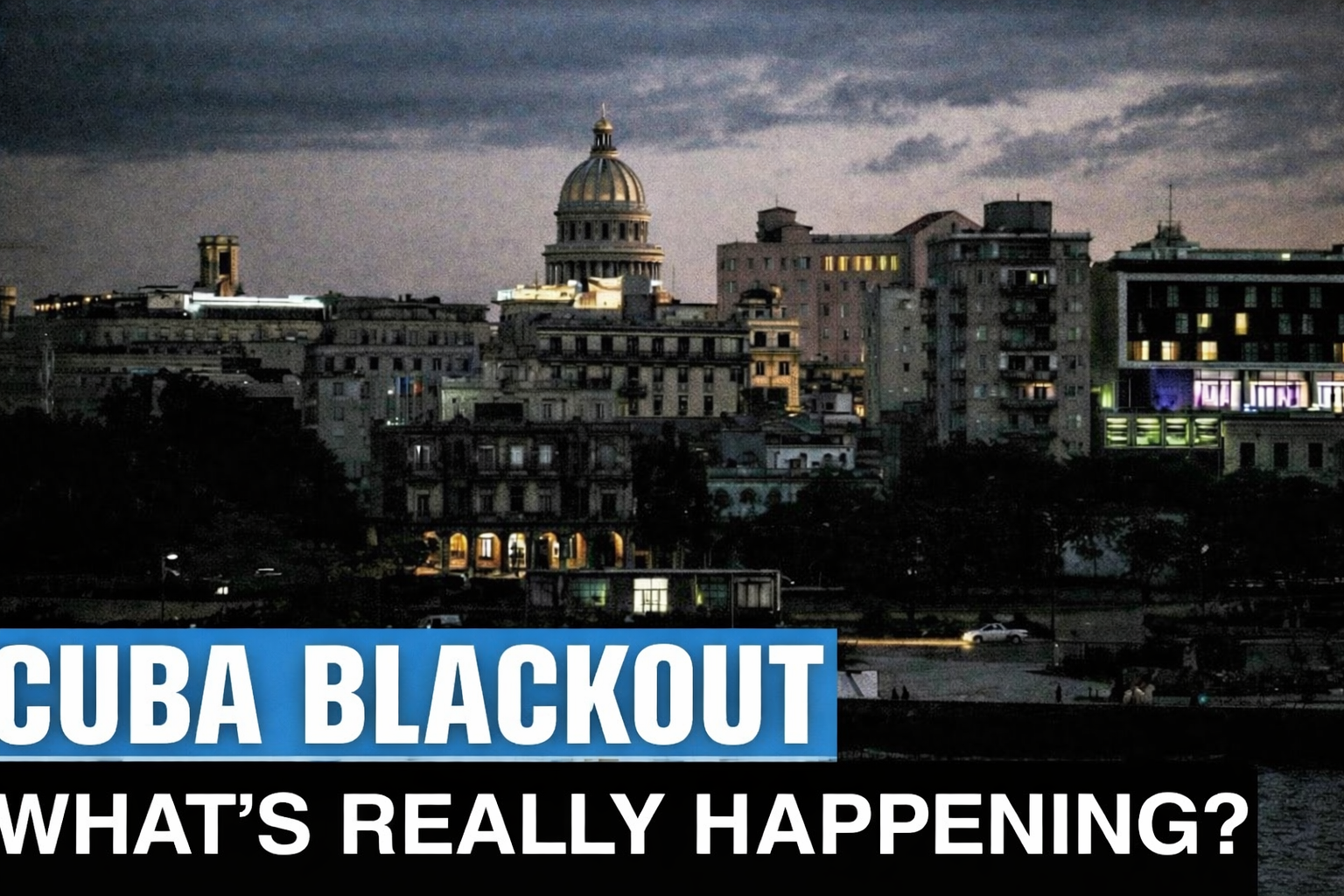
On March 24, 2026, Cuba’s national electrical grid (SEN) suffered a total collapse, plunging the entire island into a state of indefinite darkness. This event marks the most severe energy crisis in the country’s history, surpassing the frequent "scheduled" blackouts of previous years.
The Root Causes
The 2026 collapse is the result of a "perfect storm" of structural and geopolitical factors:
-
Critical Infrastructure Failure: The Antonio Guiteras thermoelectric plant in Matanzas—the country’s largest and most vital power provider—suffered a catastrophic boiler explosion on March 22. Decades of deferred maintenance and a lack of spare parts due to long-standing trade embargos made a rapid repair impossible.
-
Fuel Supply Disruption: Cuba’s primary oil suppliers, Venezuela and Mexico, significantly reduced shipments in early 2026 to prioritize their own domestic needs and debt obligations.
-
Renewable Energy Lag: While the Cuban government aimed for 24% renewable energy by 2030, the current transition stands at less than 5%, leaving the grid entirely dependent on aging, oil-fired plants built in the Soviet era.
The Immediate Impact
The blackout has brought daily life and the economy to a virtual standstill:
-
Water Scarcity: Because water pumps are electrically powered, over 70% of the population in Havana and Santiago de Cuba is currently without running water.
-
Food Security: Domestic refrigeration has failed nationwide. In a country already struggling with food shortages, the loss of perishable rations has created a humanitarian emergency.
-
Healthcare Crisis: While elite hospitals in Havana are operating on backup generators, rural clinics have reported a total loss of surgical capabilities and temperature-controlled medication, including insulin and vaccines.
-
Connectivity: Mobile networks and internet access have dropped by 85%, leaving many citizens unable to communicate with relatives abroad or access digital payment systems.
Government Response & Emergency Measures
President Miguel Díaz-Canel has declared a National State of Emergency, implementing several drastic measures:
-
Non-Essential Shutdown: All non-essential government services, schools, and entertainment venues have been closed indefinitely to divert remaining power to hospitals and bakeries.
-
The "Energy Saving" Mandate: State-run media has urged citizens to unplug all non-vital appliances, though for most, there is no power to draw.
-
Floating Power Plants: The government is in urgent negotiations with Turkish company Karpowership to bring additional "powerships" (floating generators) to Cuban ports, though payment terms remain a major hurdle.
International Outlook
The 2026 blackout has sparked small-scale protests in several provinces, with citizens banging pots and pans (cacerolazos) to demand "Luz y Comida" (Light and Food).
International aid has been slow to arrive. Russia has pledged a shipment of fuel oil expected in early April, and CARICOM (Caribbean Community) leaders have called for a "humanitarian window" in sanctions to allow for the emergency export of electrical components to the island.
1 like |
0 comment