4.5/5
4.5/5




CHILDREN'S DAY
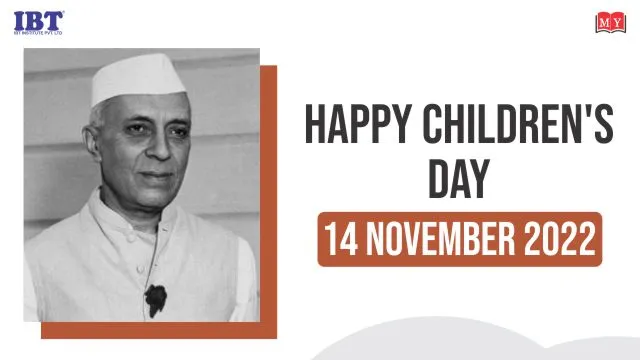
Children's Day is celebrated each year on the birth anniversary of India's first prime minister Jawaharlal Nehru, which is on November 14.
It is celebrated as a tribute to Nehru. Nehru, fondly called 'Chacha Nehru' was born on November 14, 1889. He was known for his affection for kids. He also established Children's Film Society India in 1955 to create indigenous cinema exclusively for kids.
History:
Before 1964, India celebrated Children's Day on November 20 (the United Nations observes it on this day.) However, after the death of Pandit Nehru in 1964, it was decided that his birthday be celebrated as Children's Day.
Along with being an able administrator, Nehru enforced the establishment of some of the most prominent educational institutions in India. His vision led to the establishment of AIIMS, IIT, and IIM. Nehru has left behind a legacy of education for the children of India.
He once said, "The children of today will make the India of tomorrow. The way we bring them up will determine the future of the country."
Rights of children:
According to the Constitution of India, the rights of children include:
-
Right to free and compulsory elementary education for all children in the 6-14 year age group
-
Right to be protected from any hazardous employment
-
Right to early childhood care and education
-
Right to be protected from abuse
-
Right to be protected from the economic necessity to enter occupations unsuited to their age or strength
-
Right to equal opportunities and facilities to develop in a healthy manner
-
Right to freedom and dignity and guaranteed protection of childhood and youth against exploitation
Children's Day celebrations across the world
Children's Day began in 1857 by Reverend Dr. Charles Leonard in Chelsea, US. Even though Children's Day is celebrated globally by most of countries in the world on June 1, Universal Children's Day takes place annually on November 20.