4.5/5
4.5/5





Central Excise Day: 24th February
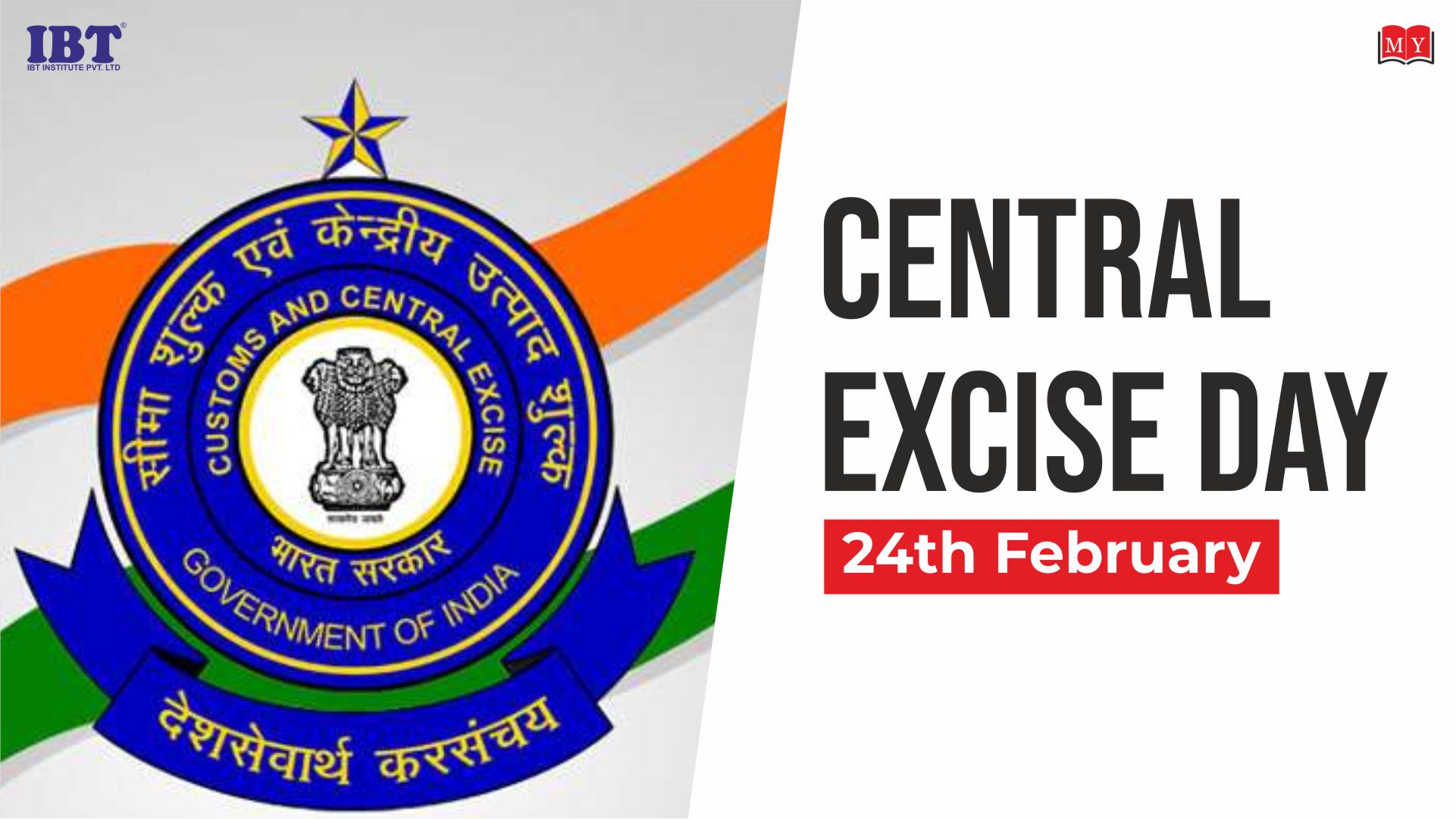
Central Excise Day: 24th February
Central Excise Day is celebrated across India on February 24th each year. It is a day dedicated to honoring the Central Board of Indirect Taxes and Customs (CBIC) and its officers, who work tirelessly to manage the country's indirect tax system and prevent the smuggling of goods.
The date marks the anniversary of the enactment of the Central Excise and Salt Act on February 24, 1944, which revolutionized India's fiscal landscape.
Theme 2026: "Digital Integration for Transparent Taxation"
While Central Excise Day often focuses on the general values of integrity and service, the 2026 emphasis is on "Digital Integration for Transparent Taxation." This theme reflects the government’s push toward a "faceless" and "paperless" tax administration.
Key Pillars of the 2026 Theme:
1. Faceless Assessment and AI
The 2026 campaign highlights the transition to automated systems that reduce human intervention. By using AI to flag inconsistencies in manufacturing reports, the department aims to reduce corruption and make the tax process more objective.
2. Synergy Between Excise and GST
A major focus this year is the seamless integration of data between the older Central Excise systems (still used for petroleum and tobacco) and the modern Goods and Services Tax (GST) framework. The goal is "One Data, One Truth," ensuring that businesses have a unified experience when dealing with different tax brackets.
3. Curbing the Shadow Economy
The "Transparent Taxation" pillar focuses on using digital footprints to track the movement of goods. In 2026, the CBIC is intensifying its use of Track and Trace technologies on highly taxed items like tobacco to ensure that no "shadow" manufacturing occurs outside the tax net.
Why 24th February Matters: The History
-
The 1944 Milestone: On this day in 1944, the Central Excise and Salt Act was passed, consolidating 11 different laws related to excise duties. It laid the groundwork for how India would fund its development post-independence.
-
The Evolution: Originally known as the Central Board of Excise and Customs (CBEC), the body was renamed the Central Board of Indirect Taxes and Customs (CBIC) in 2018 to better reflect its role in the GST era.
-
The "Salt" Connection: The original act included "Salt" because, during the British Raj, salt was a heavily taxed and politically charged commodity (famously challenged by Mahatma Gandhi's Dandi March). Today, the day reminds us of how far India's tax sovereignty has come.
The Role of Central Excise in 2026
Many wonder if "Central Excise" is still relevant after the introduction of GST in 2017. The answer is a resounding yes. Central Excise remains the primary tax mechanism for:
-
Petroleum Products: Crude oil, petrol, diesel, and natural gas.
-
Tobacco & Alcohol: Specific "sin taxes" are still managed under excise to regulate consumption and generate significant revenue for social welfare.
1 like |
0 comment