4.5/5
4.5/5





Autistic Pride Day: 18th June
Autistic Pride Day: 18th June
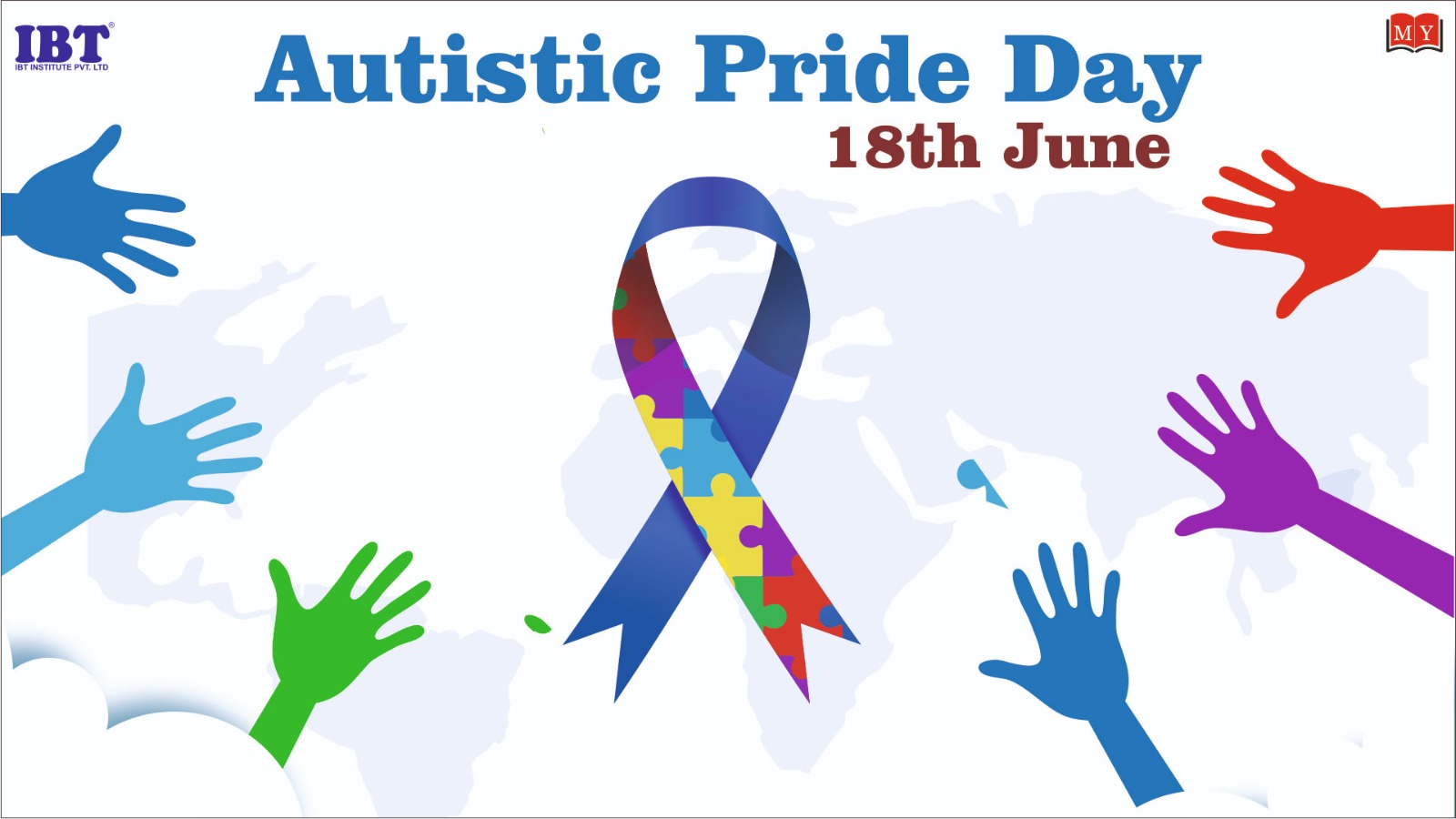
Observed annually on June 18th, Autistic Pride Day is a global celebration of the neurodiversity, talents, and unique perspectives of autistic individuals. Unlike awareness campaigns that often focus on deficits or "cures," Autistic Pride Day centers on acceptance, celebration, and the recognition of autism as a natural variation of the human experience.
Origins and Philosophy
Autistic Pride Day was first celebrated in 2005 by the organization Aspies For Freedom. It was designed as an alternative to existing organizations that framed autism solely as a medical pathology to be fixed.
The Shift from Awareness to Acceptance
-
Celebrating Neurodiversity: The movement embraces the concept that neurological differences (like autism, ADHD, and dyslexia) are natural, valuable variations of the human brain.
-
Autistic-Led: Crucially, this day was created by and for the autistic community. It provides a platform for autistic voices to define their own identities and share their experiences on their own terms.
-
The Rainbow Infinity Symbol: While the traditional puzzle piece is often rejected by many in the autistic community, the rainbow infinity symbol is widely used to represent the infinite diversity and variations within the autistic spectrum.
The Core Goals of the Day
Autistic Pride Day seeks to challenge societal stigma and advocate for a more inclusive world through three primary pillars:
1. Promoting Self-Advocacy
The day empowers individuals to advocate for their own needs, whether in the workplace, educational settings, or within the healthcare system. It emphasizes that autistic people are the primary experts on their own lives and should be at the center of any policies that affect them.
2. Redefining "Normal"
By highlighting the diverse strengths of the autistic community—such as intense focus, unique patterns of thought, attention to detail, and creative problem-solving—the day encourages society to move away from rigid, neurotypical standards of success and behavior.
3. Advocating for Accommodation, Not "Cure"
Autistic Pride Day promotes the idea that the barriers faced by autistic people are often systemic—caused by environments that are not sensory-friendly or social norms that exclude non-traditional communication styles. The focus is on universal design and reasonable accommodations that allow autistic individuals to participate fully in society.
Why Representation Matters
For many years, the public perception of autism was limited to specific tropes or caricatures. Autistic Pride Day serves as a vital counter-narrative, showcasing:
-
Intersectionality: The day highlights the experiences of autistic people of all races, genders, and socioeconomic backgrounds, recognizing that autism does not look or behave the same way in every individual.
-
The "Double Empathy" Problem: It challenges the misconception that autistic people lack empathy. Instead, it highlights the "double empathy" theory—that communication difficulties are often a two-way street between neurodivergent and neurotypical people, rather than a unilateral failing of the autistic person.
Celebrating Autistic Pride
- Participation in Autistic Pride Day takes many forms, from organized local meetups and digital forums to public awareness campaigns that prioritize the voices of autistic creators, writers, and professionals.
- Ultimately, June 18th is a day to affirm that autism is not a tragedy to be mourned, but a part of the human spectrum to be understood and respected. By creating environments that celebrate diverse ways of thinking and being, we foster a society that is more creative, equitable, and truly inclusive for everyone.
1 like |
0 comment