4.5/5
4.5/5





10th April: World Homeopathy Day
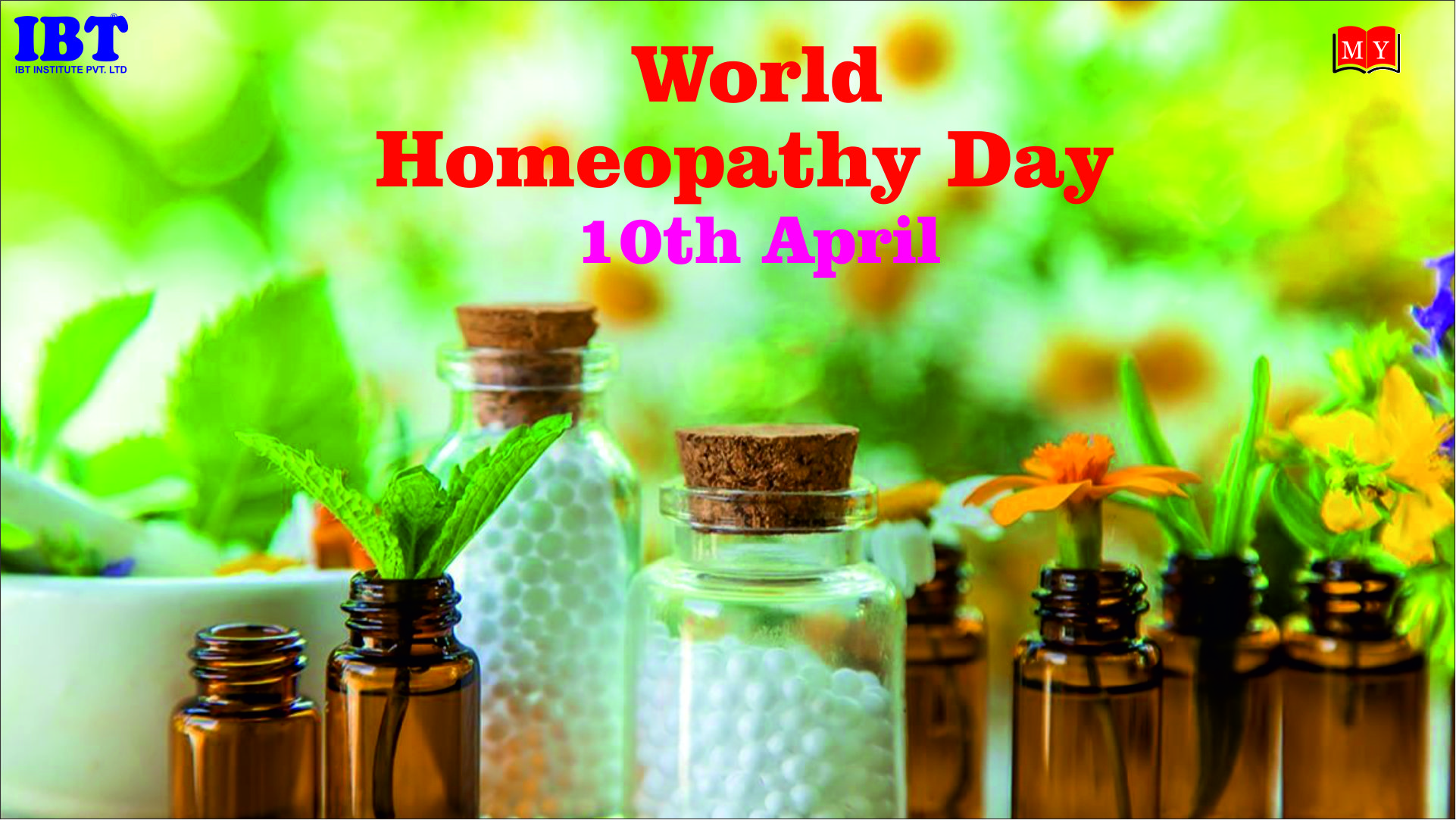
World Homeopathy Day 2026: Homoeopathy for Sustainable Health
Observed annually on April 10, World Homeopathy Day commemorates the birth anniversary of Dr. Christian Friedrich Samuel Hahnemann, the German physician who founded the system of medicine known as Homeopathy in the late 18th century.
Key Highlights: 2026
-
Theme: "Homoeopathy for Sustainable Health"
-
Significance: Focuses on homeopathy's potential as a cost-effective, eco-friendly, and sustainable medical system, especially in managing chronic diseases and reducing dependency on conventional drugs.
-
India’s Leadership: India hosted a major two-day Interactive Forum (April 10-11) at Vigyan Bhawan, New Delhi, inaugurated by Union Minister Prataprao Jadhav.
About the Founder: Dr. Samuel Hahnemann
-
Born: April 10, 1755, in Meissen, Germany.
-
The "Discovery": Disillusioned by the harsh medical practices of his time (like bloodletting), he discovered the principle of "Similia Similibus Curentur" (Like Cures Like) after experimenting with Cinchona (quinine) bark.
-
Legacy: His seminal work, the Organon of Medicine, remains the foundational text for practitioners worldwide.Core Principles of Homeopathy
Homeopathy is based on two primary laws:
-
Law of Similars: A substance that causes symptoms in a healthy person can, in minute doses, treat a sick person with similar symptoms.
-
Law of Minimum Dose: Medicines are prepared through potentization (serial dilution and shaking), under the belief that lower doses increase curative power while eliminating side effects.
Homeopathy in India: Quick Facts
India has one of the world's most robust homeopathic infrastructures:
-
Workforce: Approximately 3.45 lakh registered homeopathy doctors.
-
Institutions: Over 275 educational colleges and 34 dedicated research centers.
-
Integration: It is a core part of the Ministry of AYUSH, integrated into national health programs for mother and child care, and chronic disease management.
-
Sustainability: 2026 emphasizes the "minimal ecological footprint" of homeopathic manufacturing.
-
Public Health: Integration with programs like the Swasthya Rakhshan (health protection) initiative and its role in combating antimicrobial resistance (AMR)
1 like |
0 comment